The black creek – Timehri, Guyana
I traveled to Guyana, my motherland, for the first time two years ago. Being close to the ancestral waters I had long dreamed of felt like a profound homecoming. Guyana means the land of many waters : Arawakan word “Guiana” or the Cariban word “Cuyuna/Quyuna”, both share the meaning of “land of many waters”.
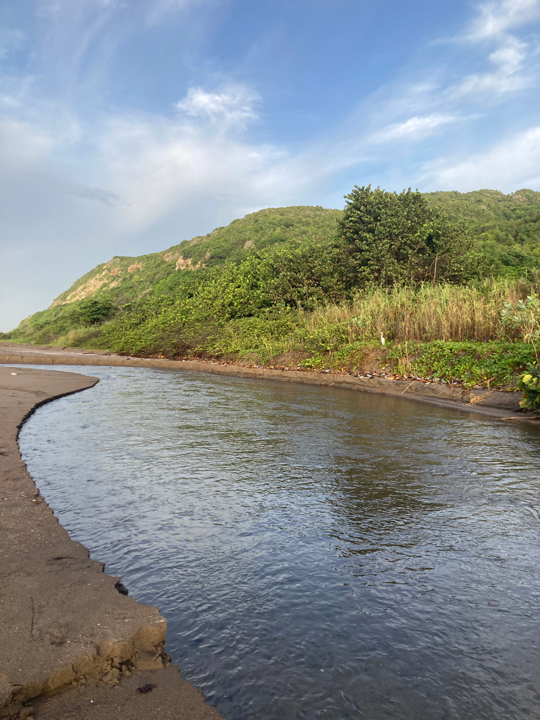
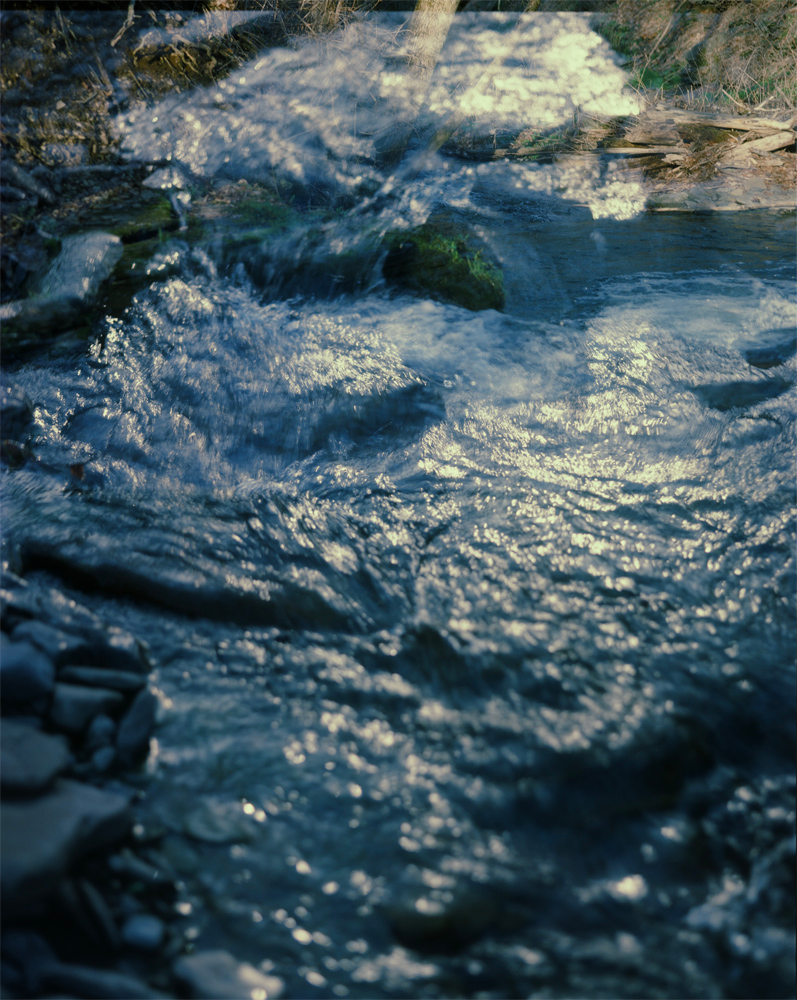
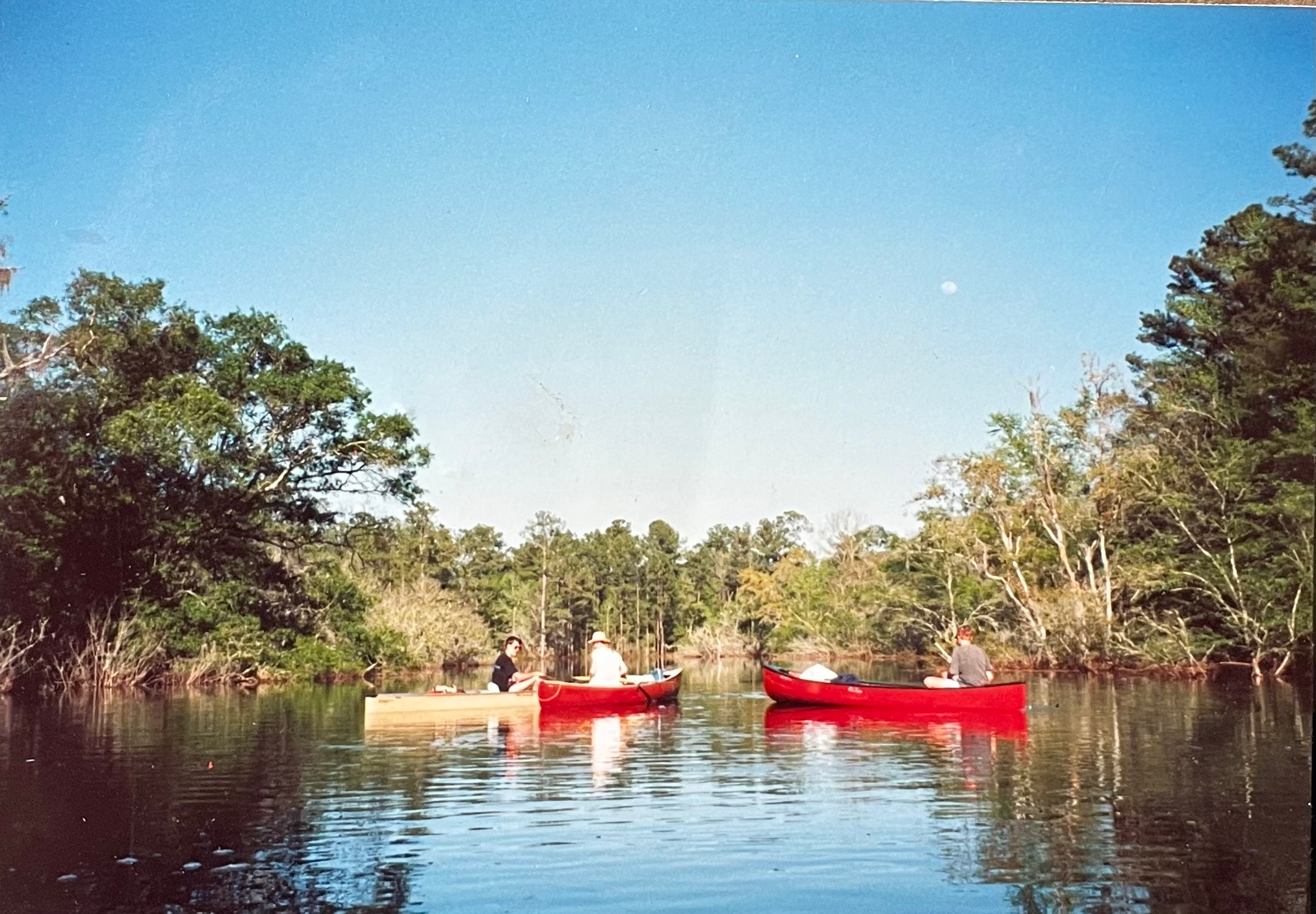
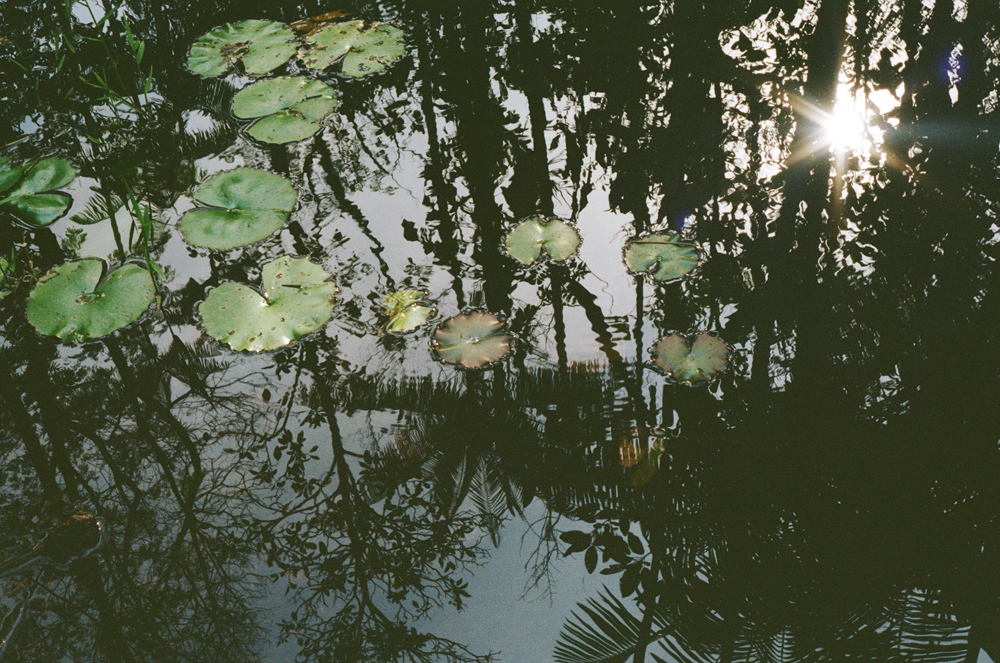
The first body of water I entered, was a black creek. These creeks are common in Guyana. The water is truly black, colored by tannins released from decomposing rainforest leaves and vegetation – stepping into the black creek feels like stepping into a refreshing potent tea steeped by the forest itself. I could almost taste her sweet bitterness , her smell was rich- of earth & minerals.
I was intimidated by her power, by her darkness. She felt like a mirror into my fears, into the unknown, reflecting the lurking piranhas in my mind, that I couldn’t see but feared were near. But when I finally let her hold me, I felt a surrender- to life, to death, to being transformed. To be wrapped by her healing, dense, fluid body was far more powerful than resisting her unknown.
At the time I suffered from chronic dizziness. One of the things that impacted me about the black creek, is that every time I bathed in her, my dizziness would seem to fade away. I would come out of her feeling more settled, more alive, as if a weight was cleared with every dip.
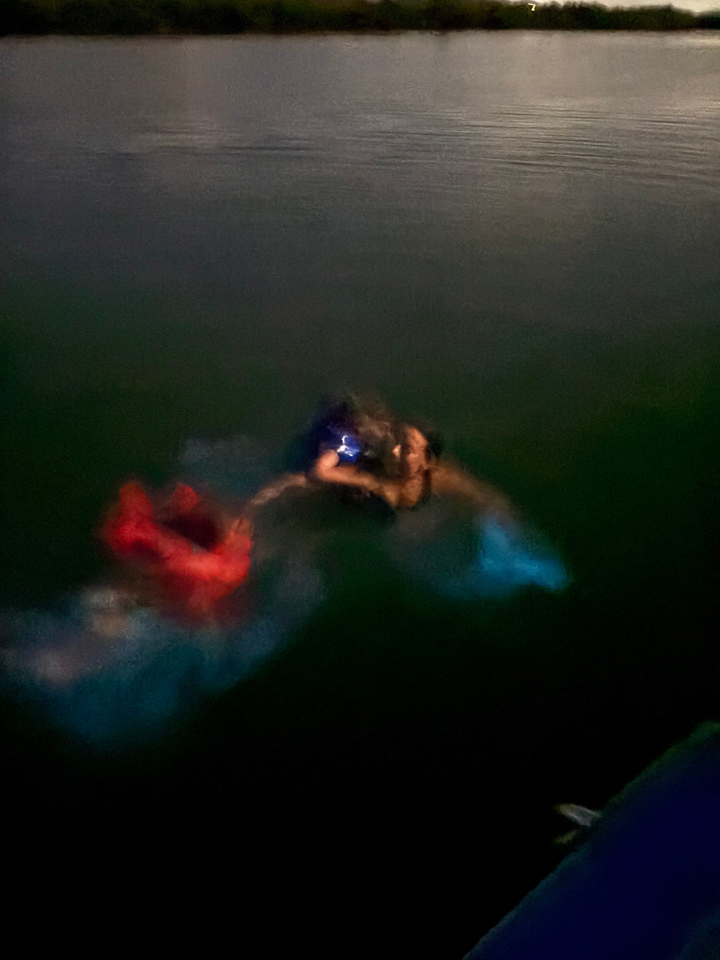
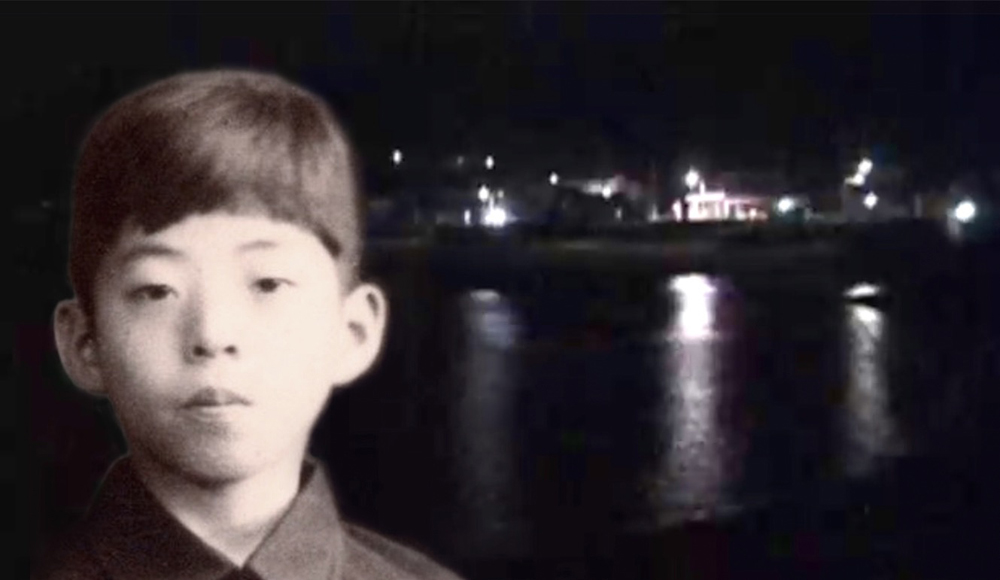
I remember going to her at the full moon, the black water and the sky became one. I could hear the rainforests insects, frogs & night creatures sing away, greeting the night’s silence. Everything else was still and at rest. So was my body, my heart, my spirit. And every drop holding me seemed to whisper: welcome, welcome home…

Sarah Varichon • She/Her • daughter of guyanese and french immigrants – born and currently based in Tiohtià:ke (Montreal)
Sarah is a movement-based expressive arts therapy practitioner, multidisciplinary artist, somatic healing practitioner, and water devotee based in Tiohtià:ke (Montreal). Her work challenges the limiting frameworks of capitalism and patriarchy by nurturing experiences that reclaim intimacy and belonging with the Earth. Through her practice, she reimagines the body as a sacred, sovereign space — a site of memory, pleasure, and possibility.