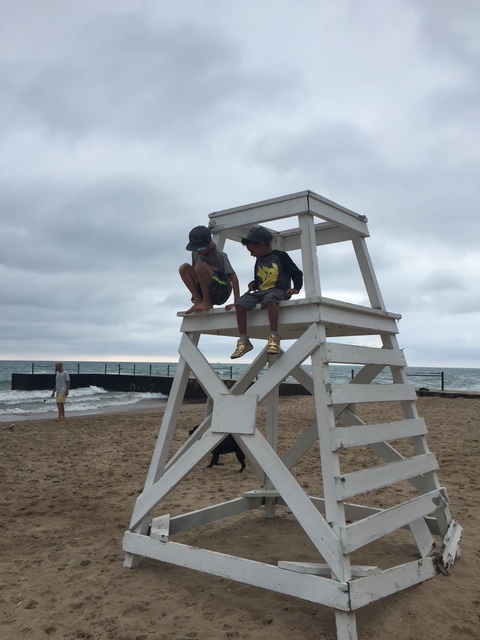
Lake Michigan: Waves of memory
I am shaped by Great Water.
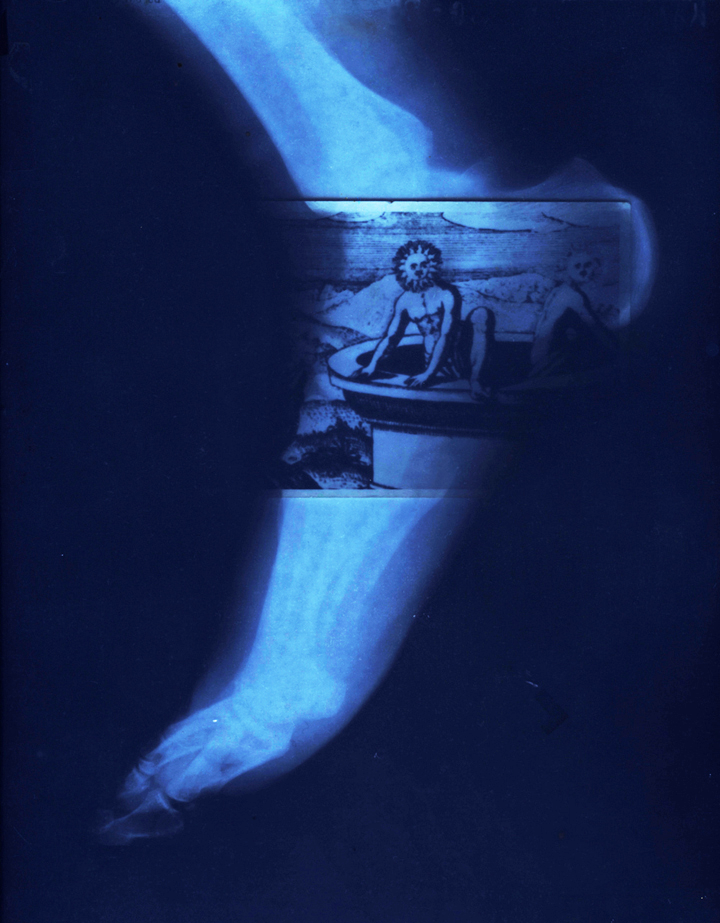
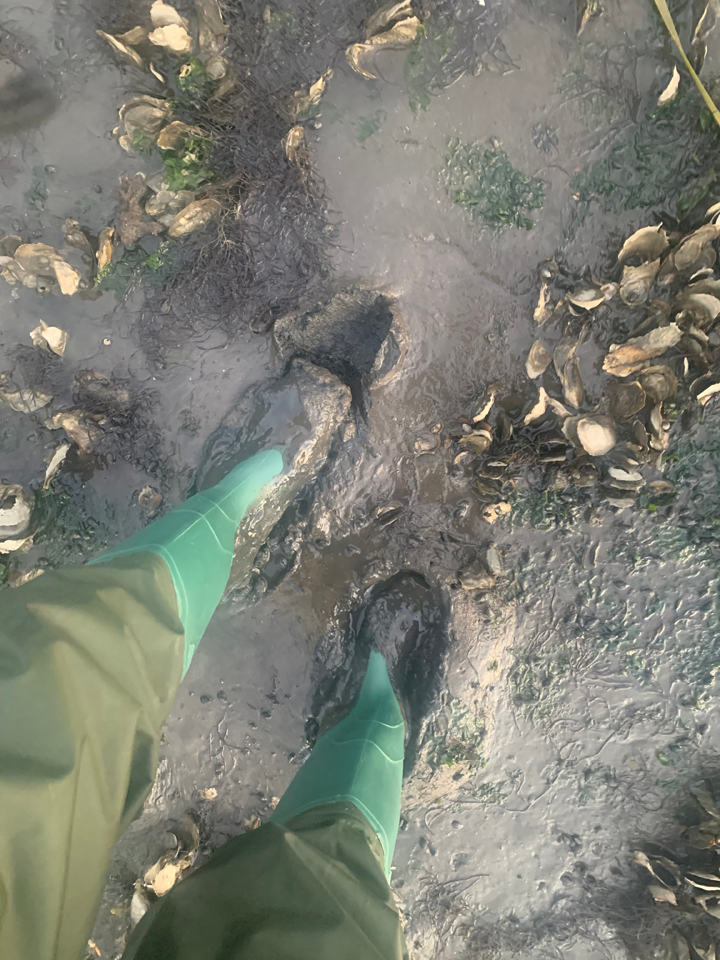
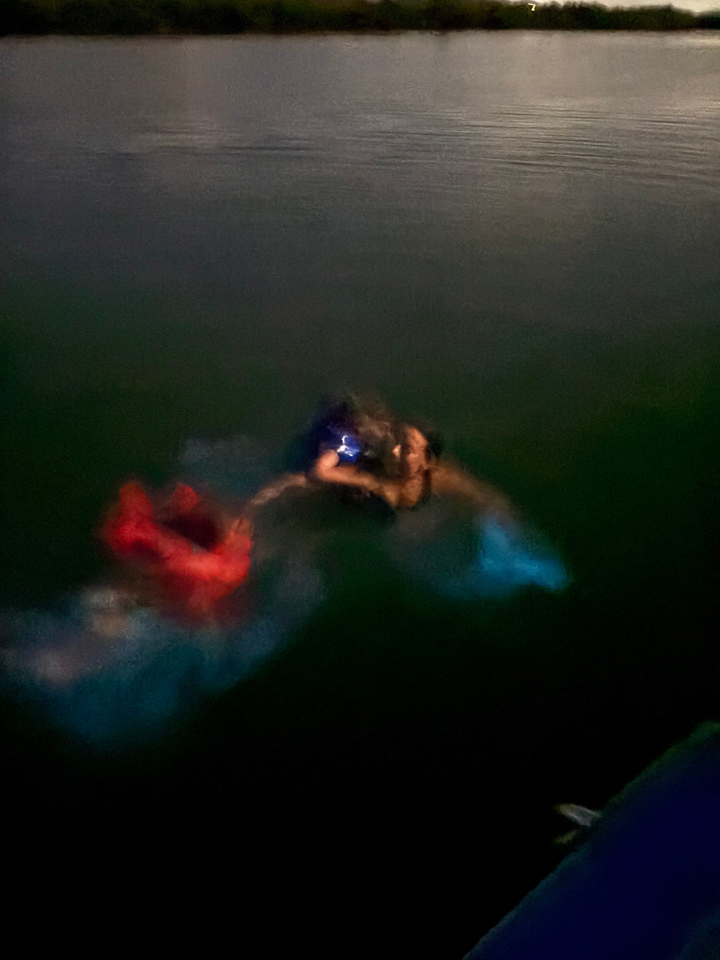
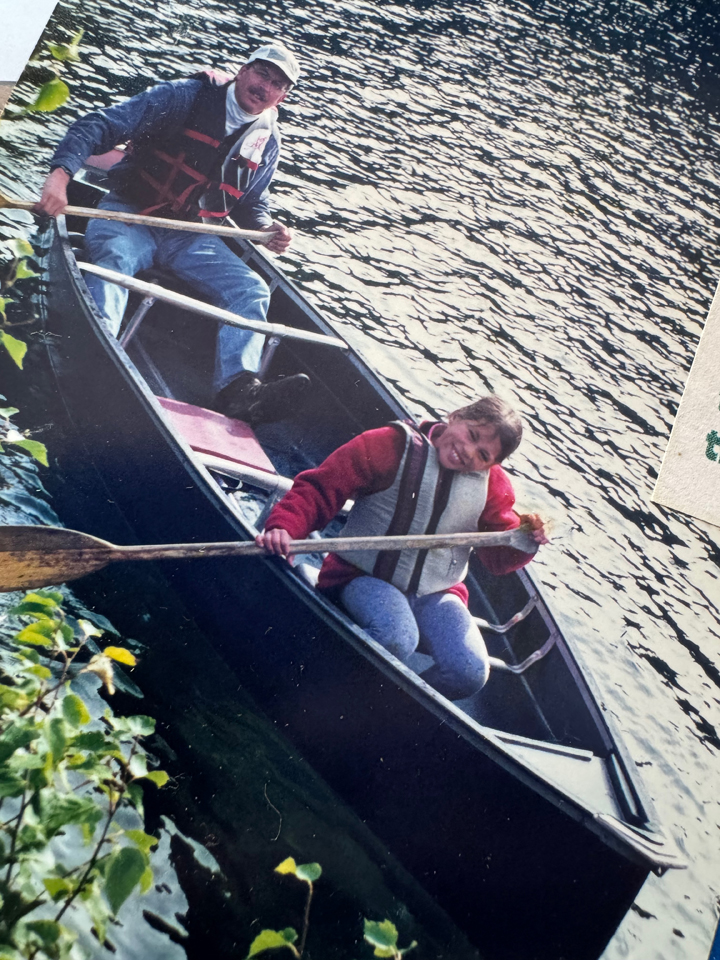
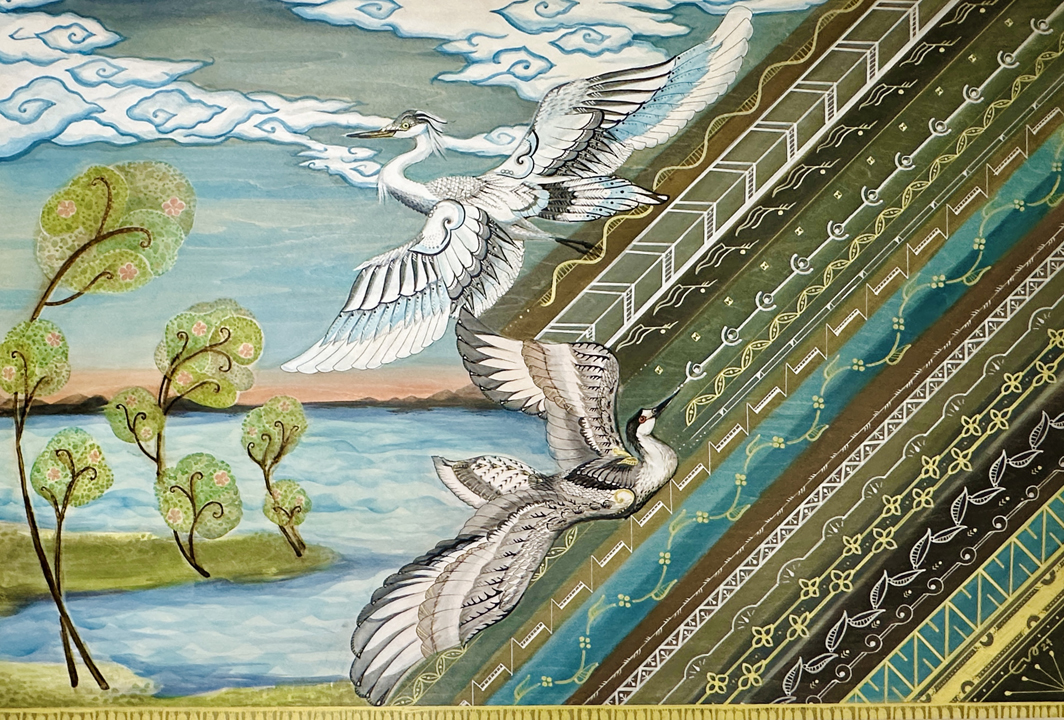
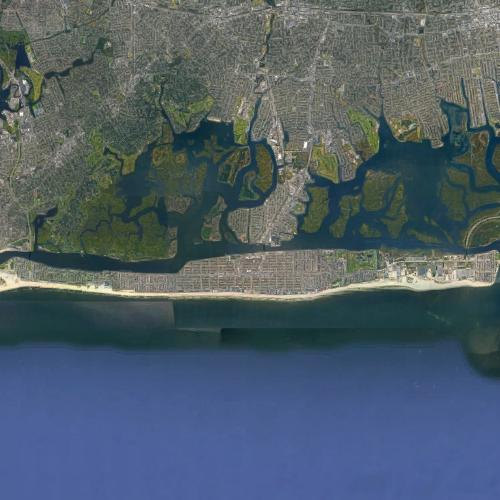
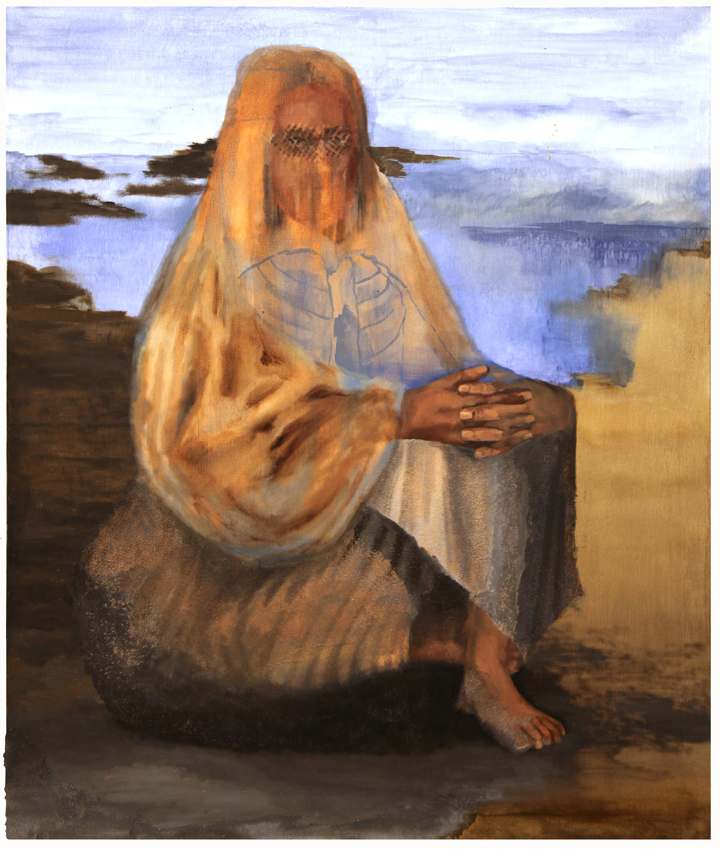
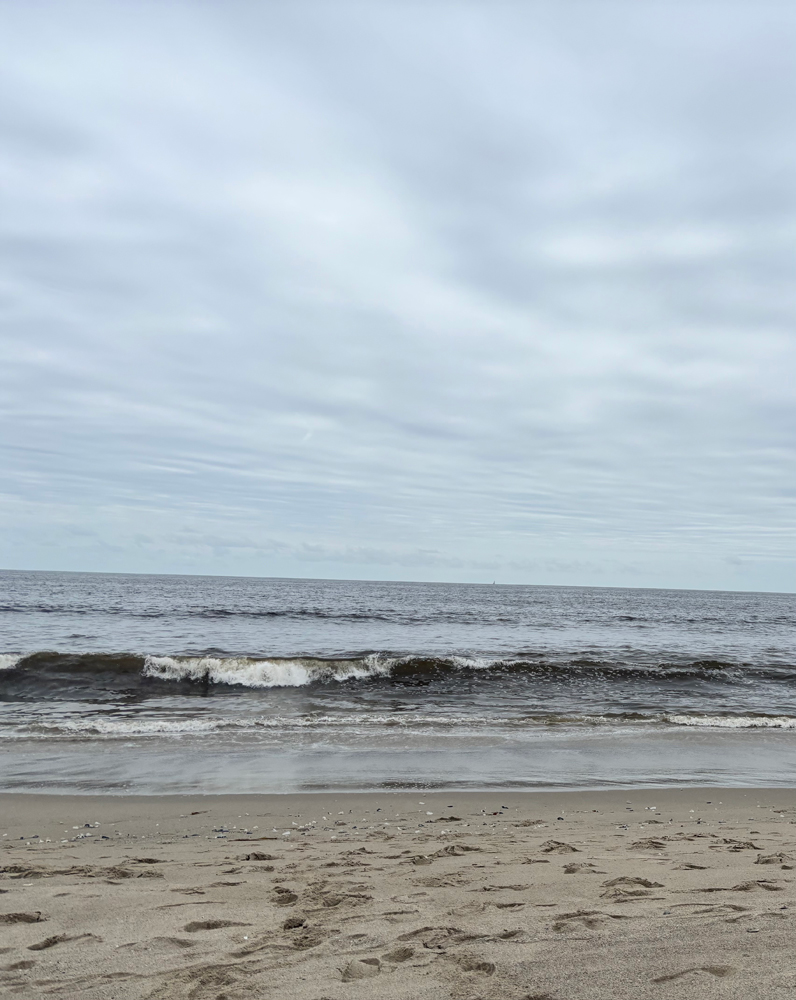
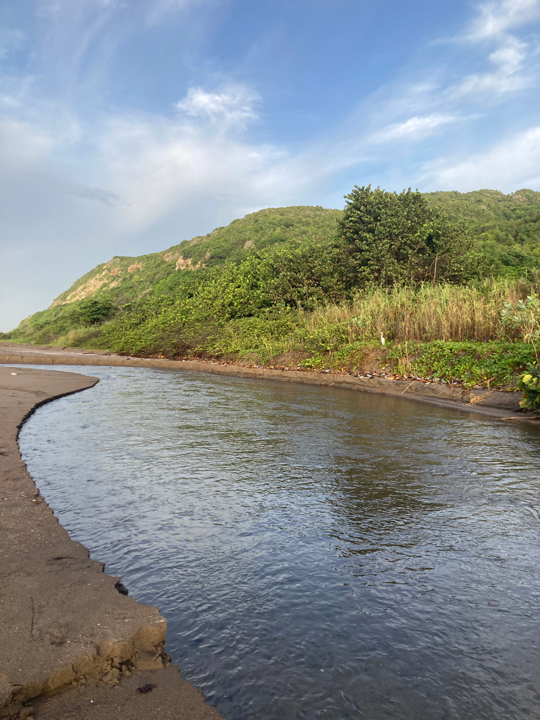
Running toward the waves, howling with laughter, submerged in surf sharp and cold even in July. Chicago picnics, cousins, Kool-Aid-stained tongues, and wave hopping past the sand shelf. On the edge of a towering city, the shoreline littered with sticks, gum wrappers, and single flipflops. Stars bleed into night skies. A three hour drive and it quiets—dunes hold the sunrise, beachgrass brushes my legs, long days stretch into firefly-lit nights. Sand follows me home, clogging the drains, making its way into books, socks, and wave rocking dreams. This Lake is my body wind-whipped and wobbly, cheeks burning with cold and the awkward awareness of being in a bathing suit. It is the weightlessness of floating and watching clouds in the sky. This water is a magnifier. It holds my joy, my fear, my tears, my passion.
Great Water shows what power looks like in motion.
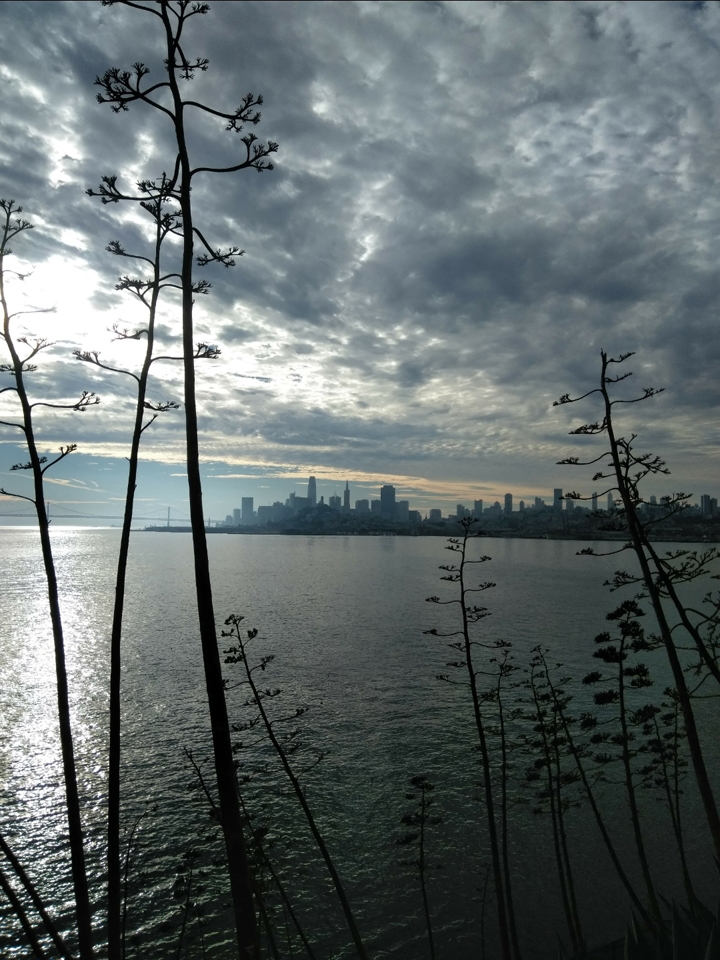
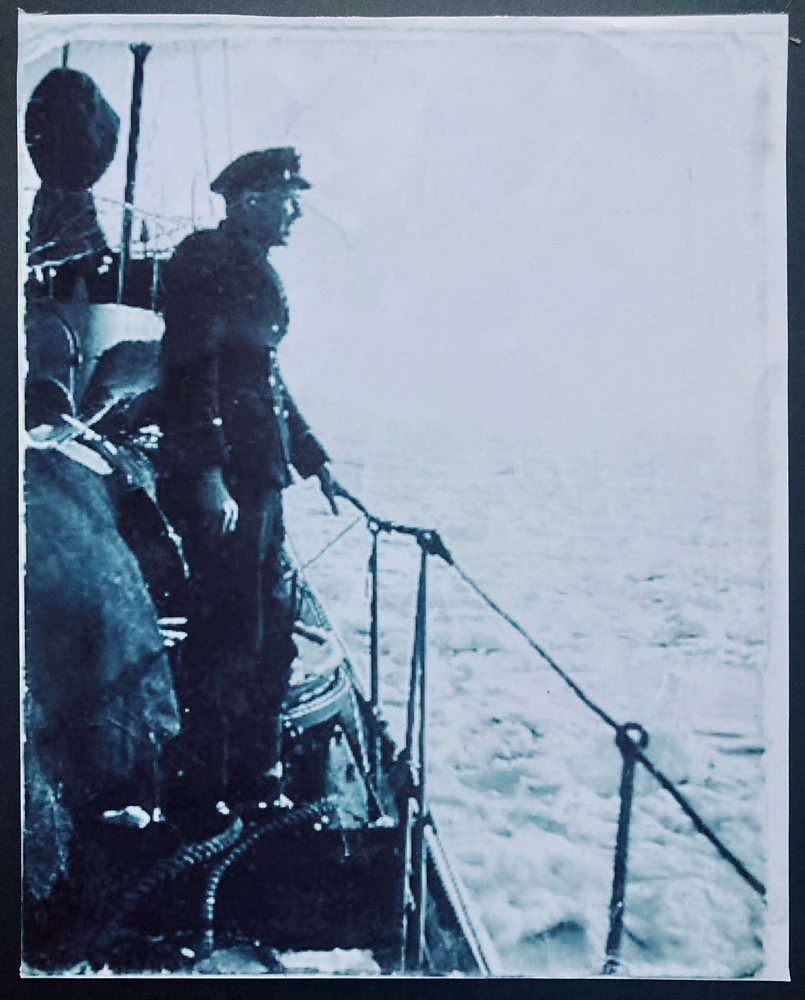
Leaves fall and float, canoes rest like bodies on the beach. The sunsets get closer to dinner time, as much water in the sky as in the lake. Surfers don their wetsuits, storms whip whitecaps; bodies slow as the wind picks up. Water freezes into jagged shelves. Wave spray slices through any defenses. It is blindingly beautiful, refracting sunlight, glinting, obscuring your vision, leaving you to stumble. This lake is a mirror: cutting and shining at once. This lake has taken souls from me, three. The gleaming bits of wave-tumbled glass, lay on the beach, butted up against grass green dunes covered in lilies and heather. Pocket those jewels like prayers.
This great lake shapes awe, survival, and the sacred beauty of contradiction.

DIA JOYCE PENNING • she/her • Grand Rapids, MI/ Oakland, CA
Dia Penning is a textile artist, writer, and somatic facilitator who uses beauty, breath, and body as tools for transformation. As a U.S.-born global citizen who is also multi-racial, Dia has learned to move through multiple realities at once—holding contradiction with care and uncovering possibility in discomfort. Her work lives at the intersection of art and justice. Through fabric, poetry, and presence, she explores the textures of identity, the weight of history, and the rhythms of collective healing. She invites people into sensory awareness and embodied practice as a way to interrupt inherited patterns—particularly those rooted in white supremacy, urgency, and disconnection. Dia believes that creativity and equity are not separate pursuits but shared practices—and that through deep noticing and brave imagination, we can co-create spaces where everyone can breathe, belong, and become.