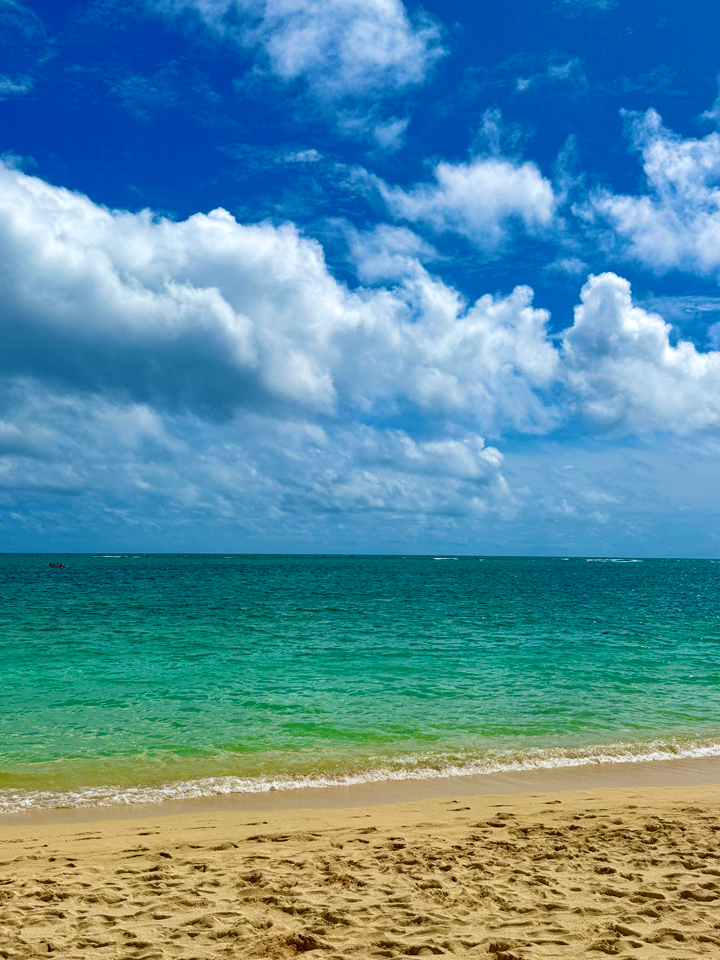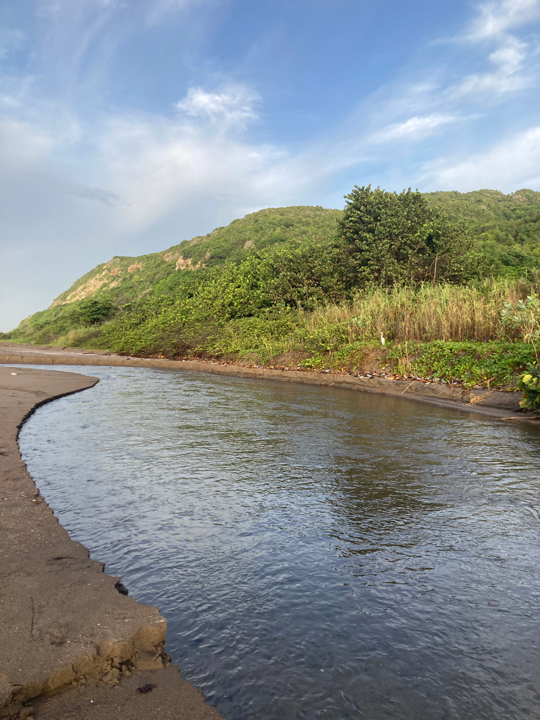
Alligator Pond, near Black River, St. Elizabeth, Jamaica
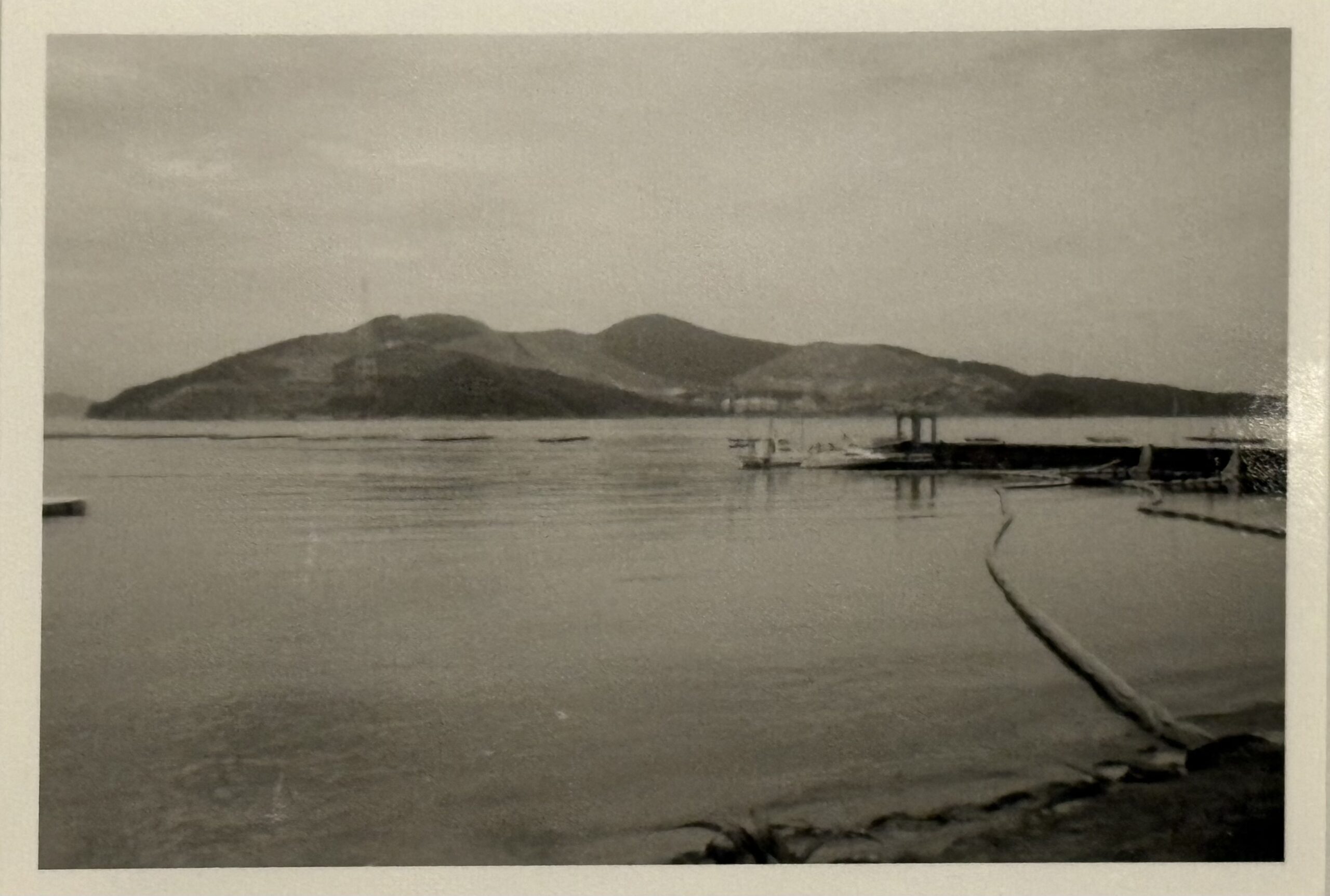
My early childhood in central and western Jamaica existed at the edges of becoming globalized with mainstream Western culture; the influence of media, pop culture, and all things foreign, American, mostly took precedence. We listened to American country music on almost weekly trips to the rural countryside, where nature was idyllic and raw. There, my people owned and worked on farms and businesses that once flourished. My favorite memory included going on trips to the bathing spot, Alligator Pond, located south of Black River, St. Elizabeth. It was not far from my grandmother’s house, and so these weekend outings were one of my favorite things.
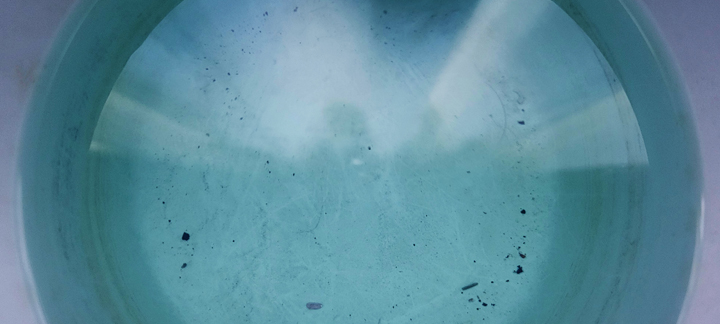
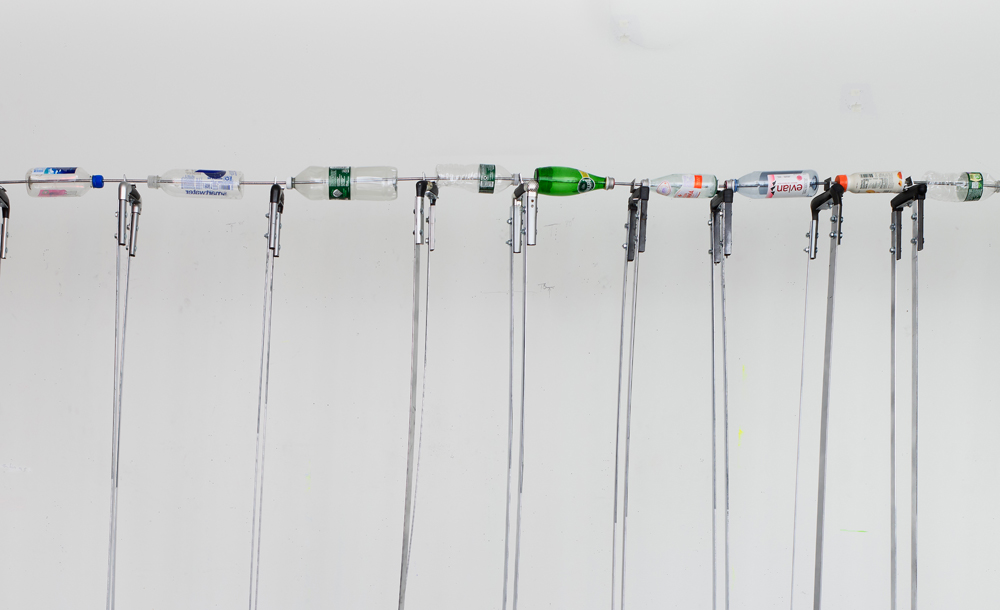
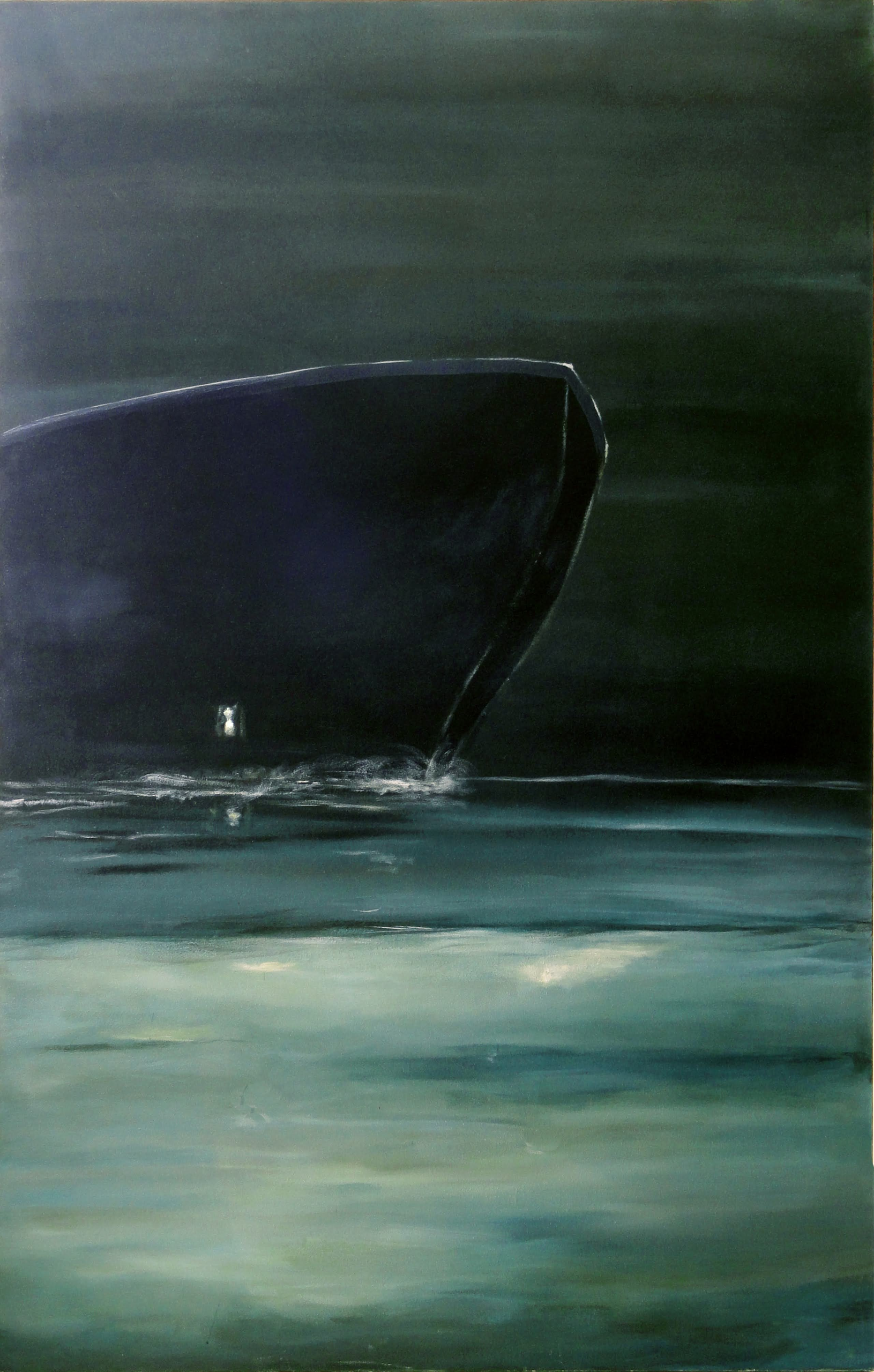
I questioned “Why did they name this spot Alligator Pond?” I wondered did Alligators live there? No, but it’s a sacred place I think at least to me. My dad took our family there and he hunted for crabs and shrimp for our dinner. My grandfather went fishing at the Caribbean Sea next to the river and had his arm blown off with a dynamite. Then I also read of Black River being the place of early on masquerades that was performed by the enslaved. Today it breaks my heart to visit Alligator Pond. Just because it has now so much plastic trash washed up. The pollution is heartbreaking.

Jodie Lyn-Kee-Chow • She/Her • Manchester, Jamaica and Brooklyn, NY
Jodie Lyn-Kee-Chow is a Jamaican-American interdisciplinary artist living and working in NYC. Her work often explores site-specificity through performance and installation art while investigating colonial histories pertaining to her Afro-Caribbean, Asian, and European heritage. Lyn-Kee-Chow’s work has been shown internationally.