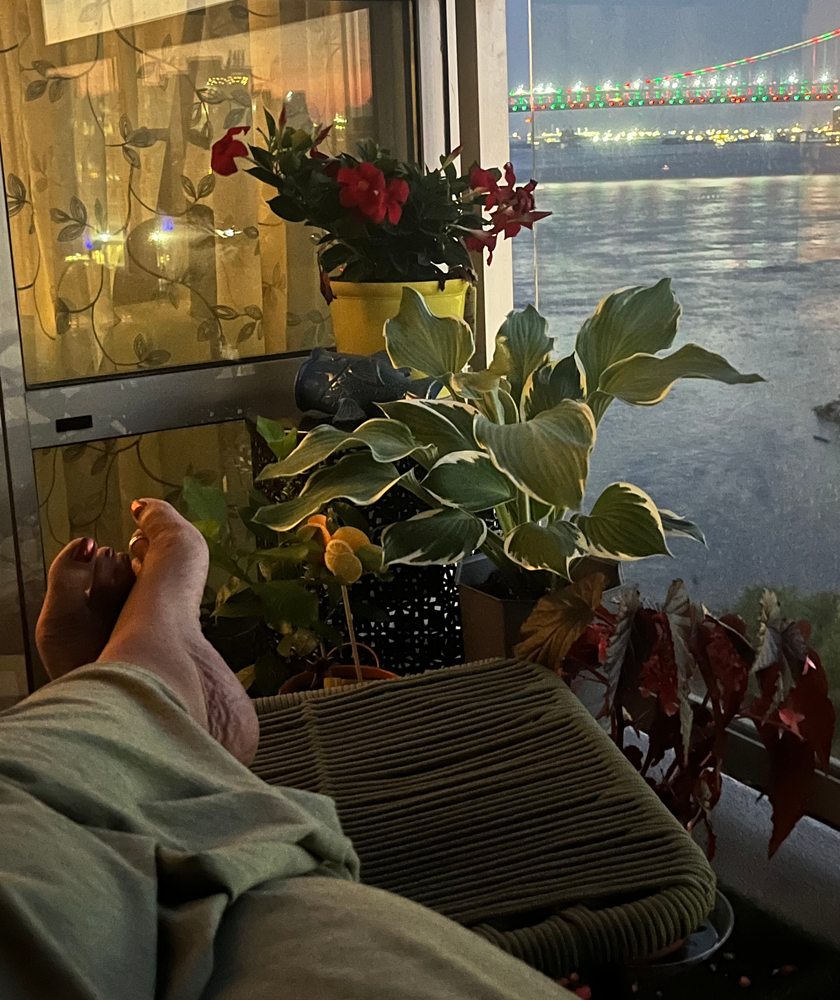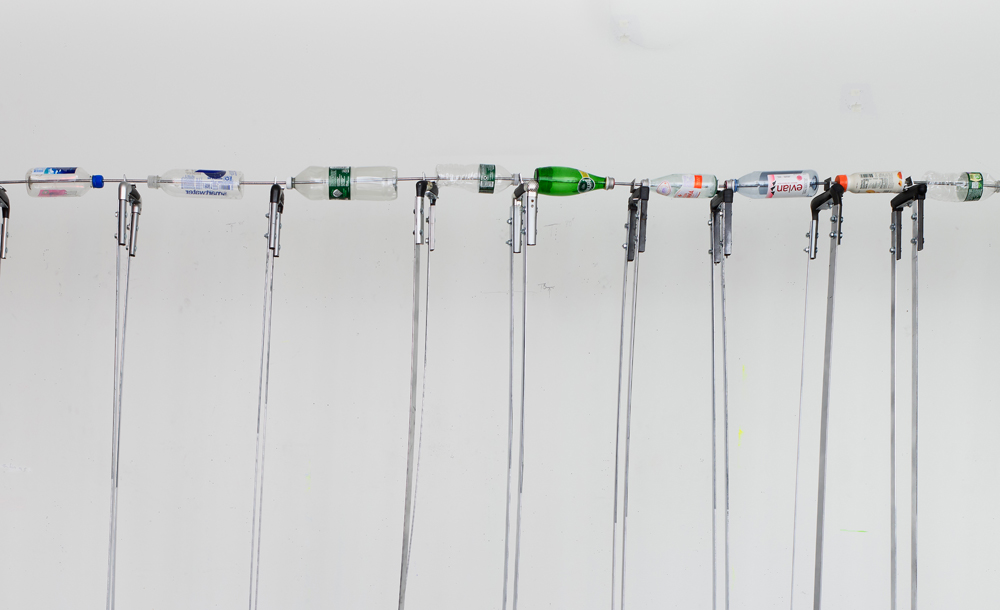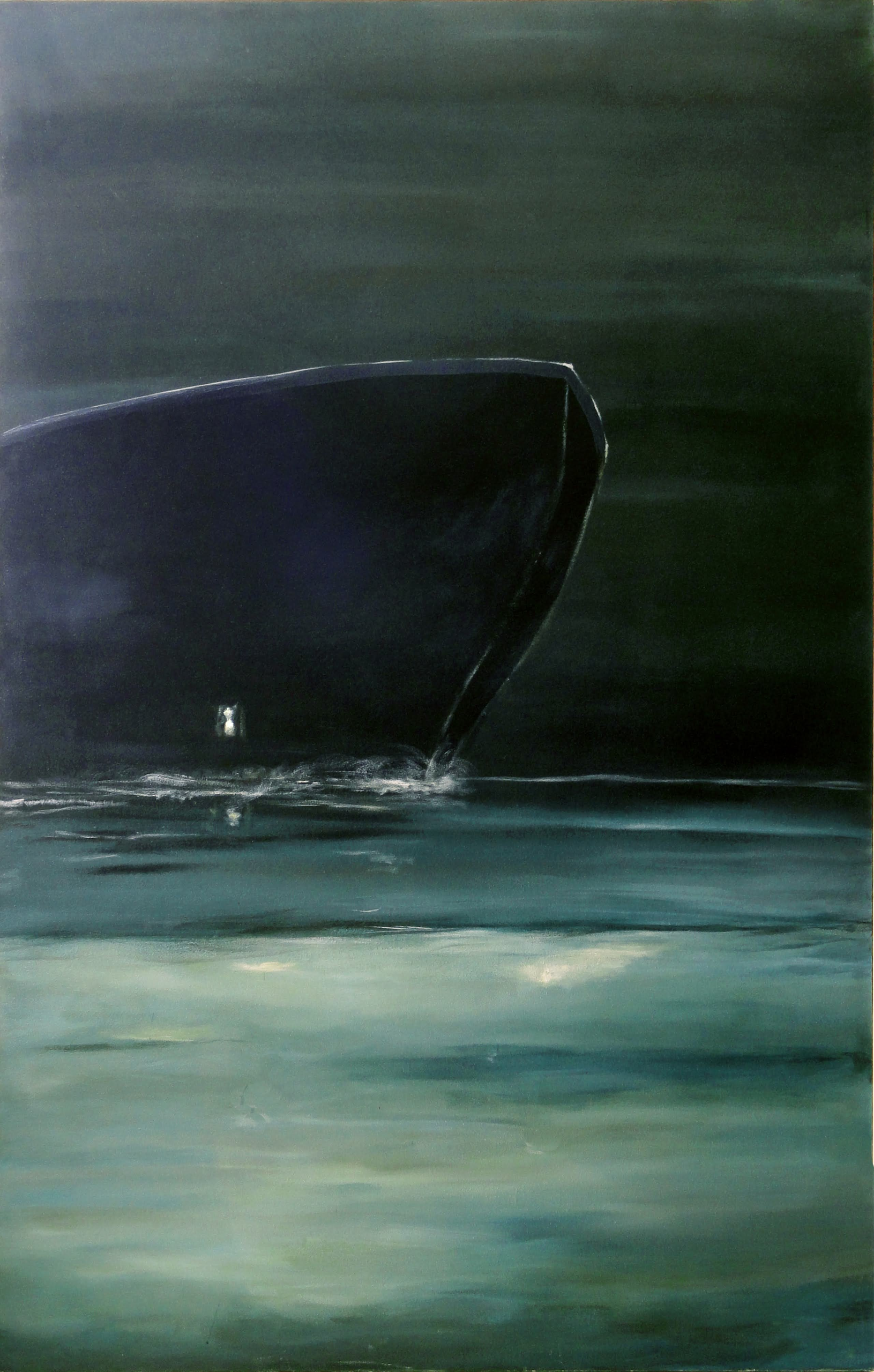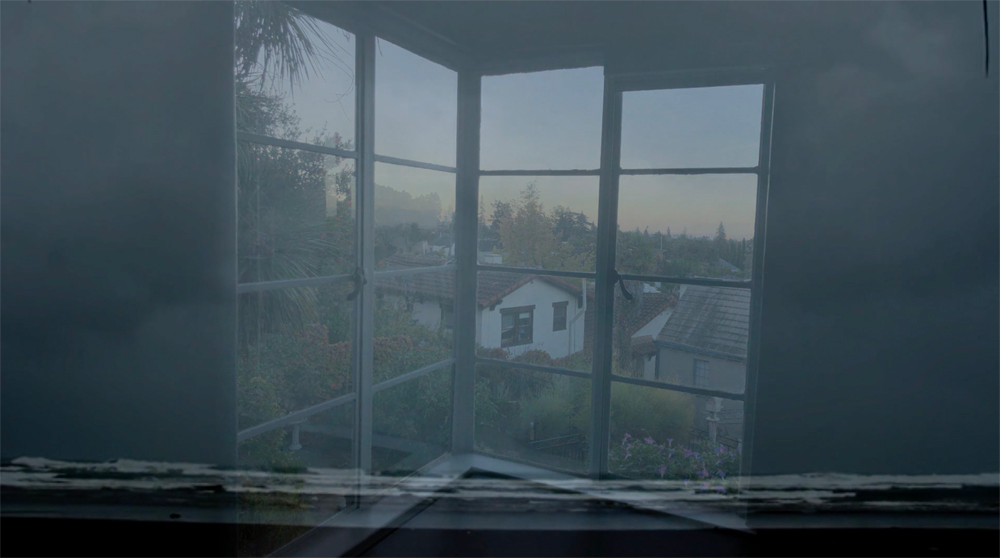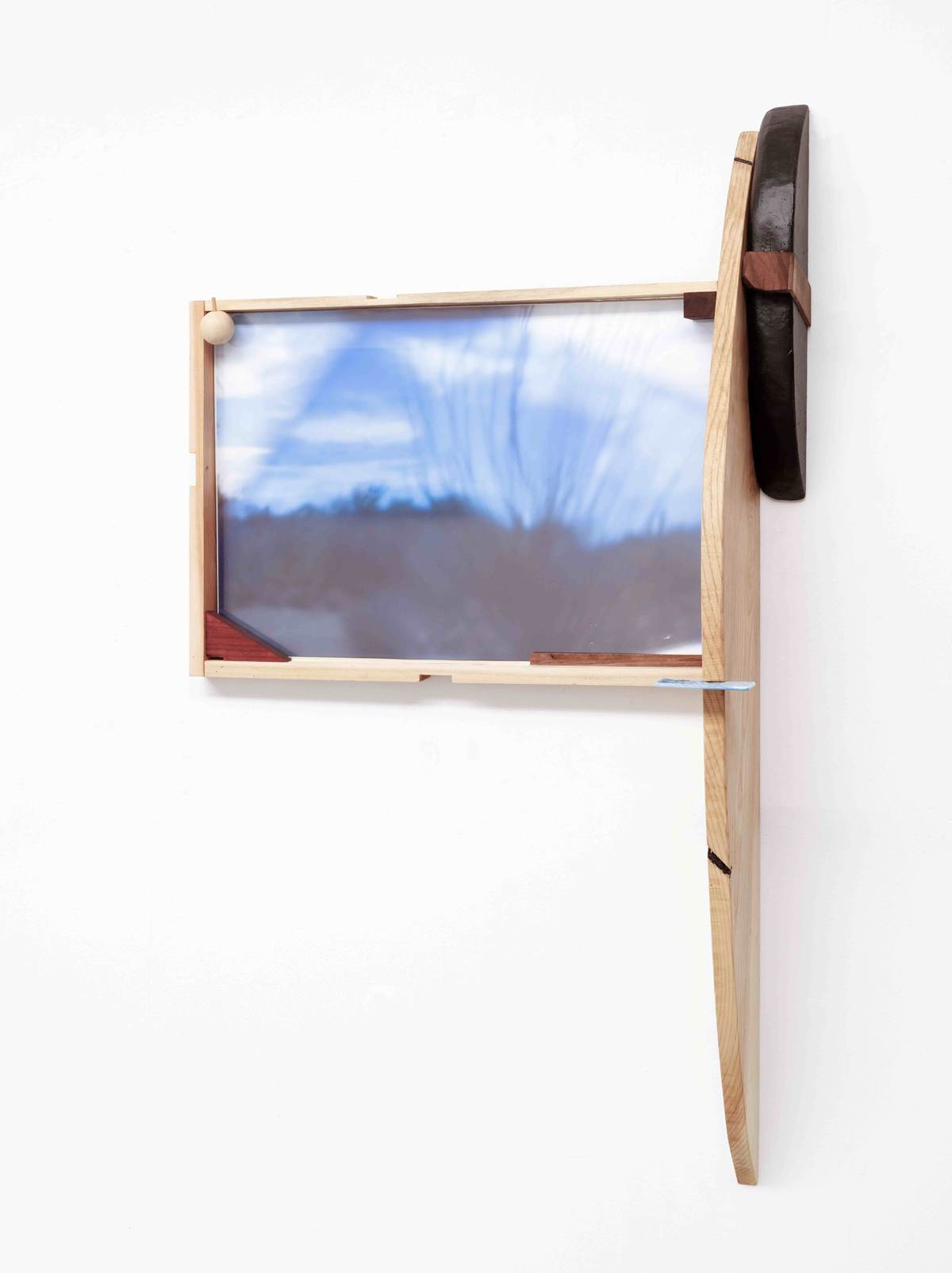
Blue Desert Glass, Sculpture, desert glass, wood, photography, foam
I’ll start with the origin story of my tribe Coahuiltecan in San Antonio, Texas. Our origin story is called Napakō
We originated in water as floating spirits and our spiritual leader or icon dipped his great antlers down into the water and pulled us out and then we became human spirits, human bodies, and so water is pretty threaded into who I am and how I move. And ironically most of my tribe lives in the desert and throughout Arizona, and even dipping down into Mexico, so I spent quite a long time in the desert, which used to be underwater and there’s still remnants and stories even around Pangea times of water existing within those areas
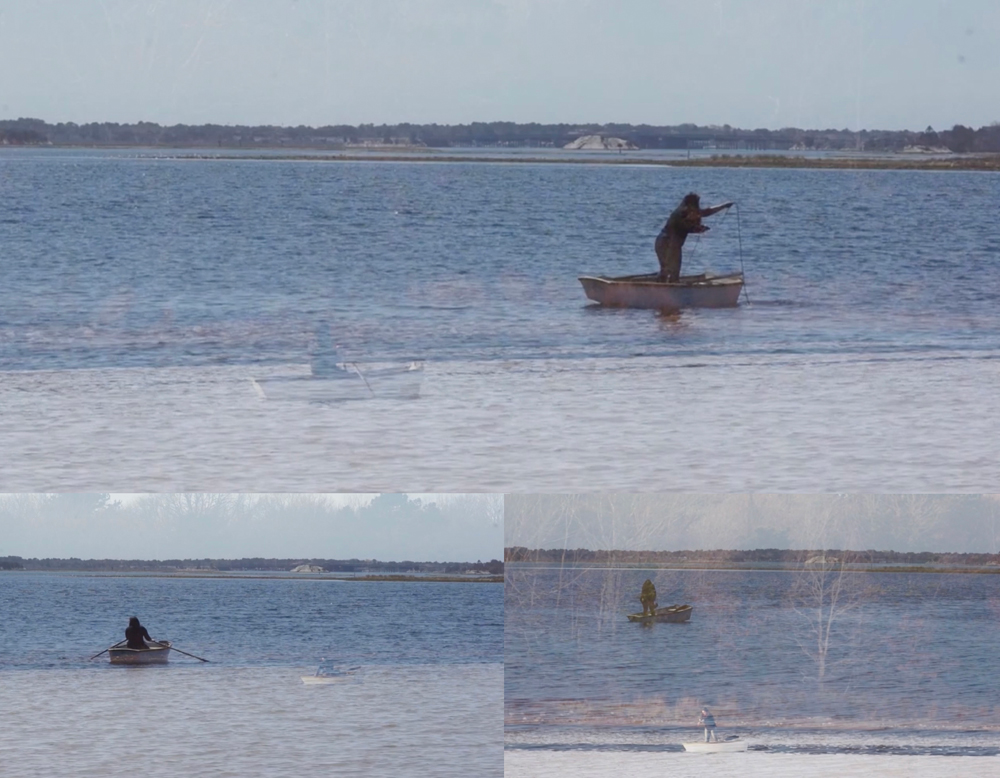
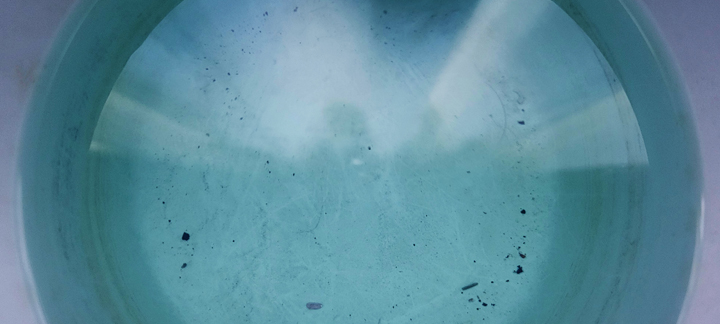
And so my desert blue glass sculpture is a photography piece through some found desert glass while on a hike in Texas that I found
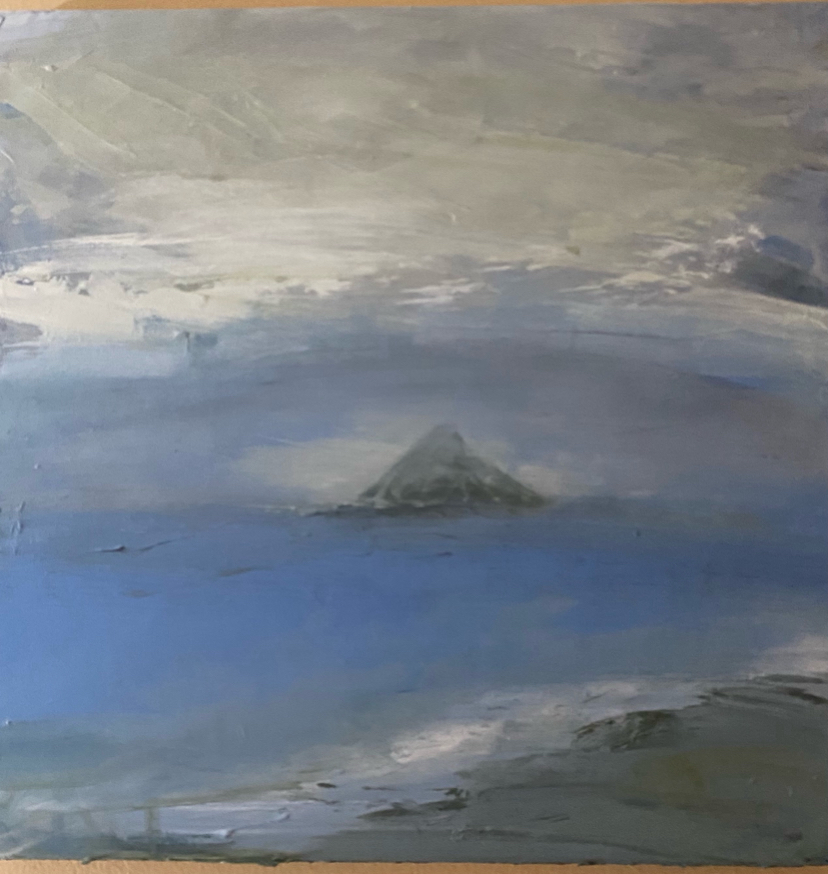
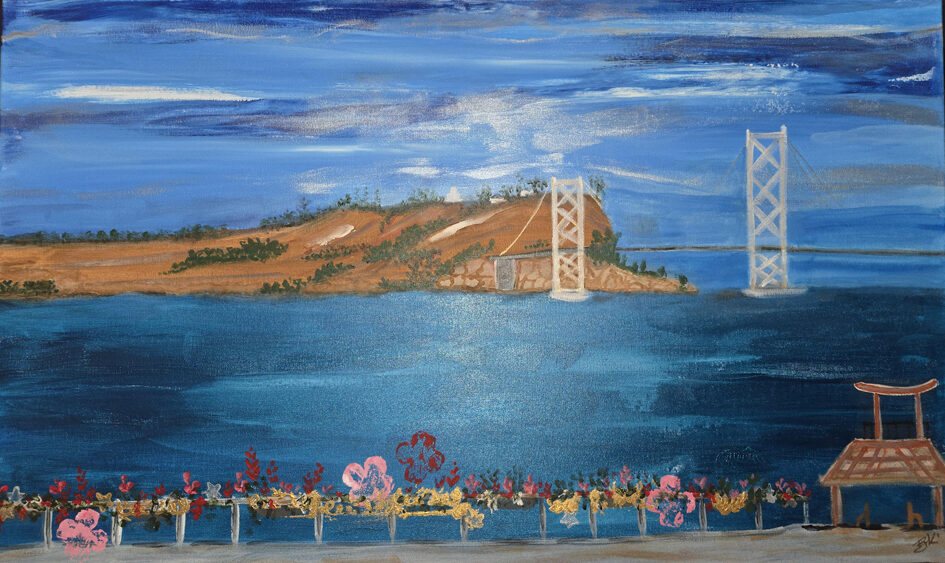
And I took a picture through the desert blue glass and imagined what it would be like once this place was filled with water again and it brought me back to my own origin story
And it made me think about the realities of our ever heated and burning world and how do we move forward with that and how do we continue to co-exist
So, that’s my memory and I’m sticking to it

Megita Denton • she/they • America
Indigenous/French Intermedia artist Megita Denton hails from Texas and spent many years embedded in the Pacific Northwest region and cultures. Born on her grandmother’s couch in Galveston, Texas in 1979, Denton has been living and creating unconventionally ever since. Her intermedia practice is grounded in the land, motivated by connection, and envisioned for positive social impact. Denton’s recent site-specific public works are the next evolution of a practice that includes film, sound, metal and mixed media sculpture, painting, olfaction installation, woodworking, fiber arts, photography, projections, large scale public murals, performance, light composition, resilient landscape design, and artistic research. Working to re-create and restore human connection to the natural world, Denton draws on her Indigenous perspective, her farmer’s knowledge of the land, and her diverse community collaborations. Making work that speaks of the traditions of the past and responds to the challenges of the present, she locates our evolution and survival in our care of the land, offering alternative perspectives on the future.