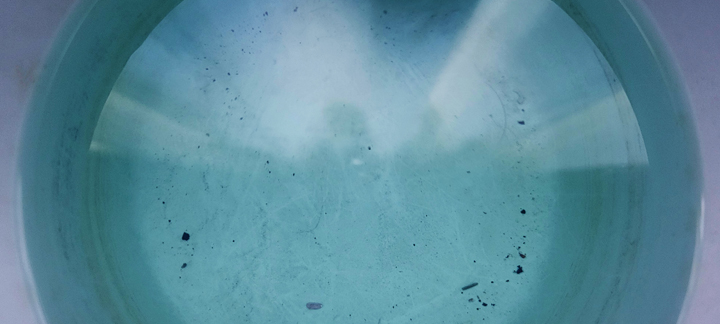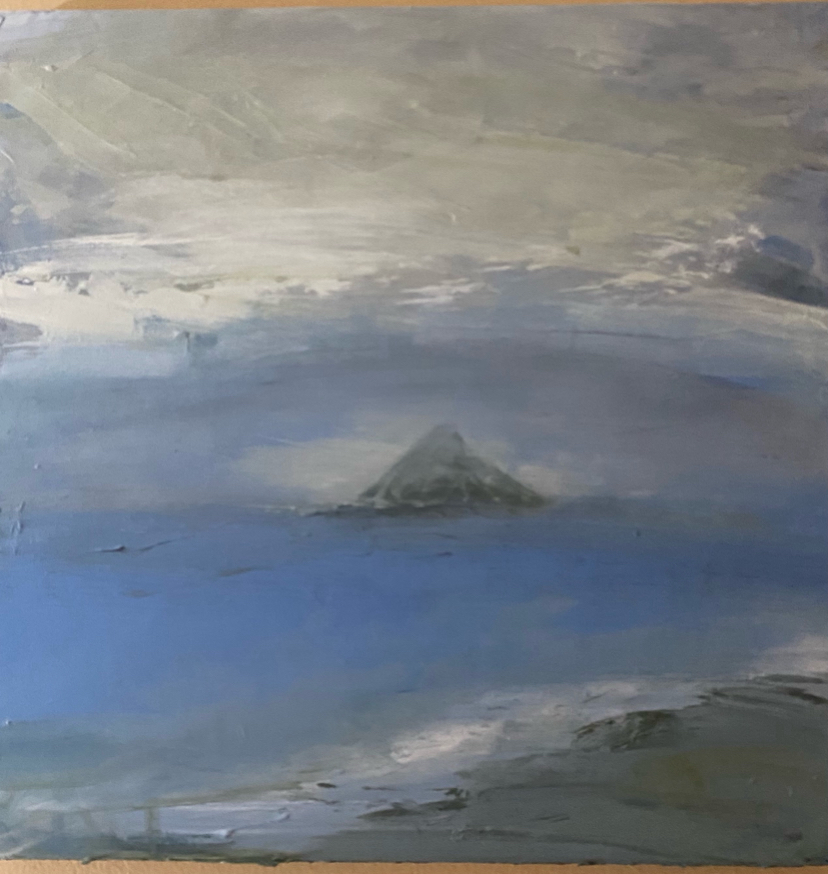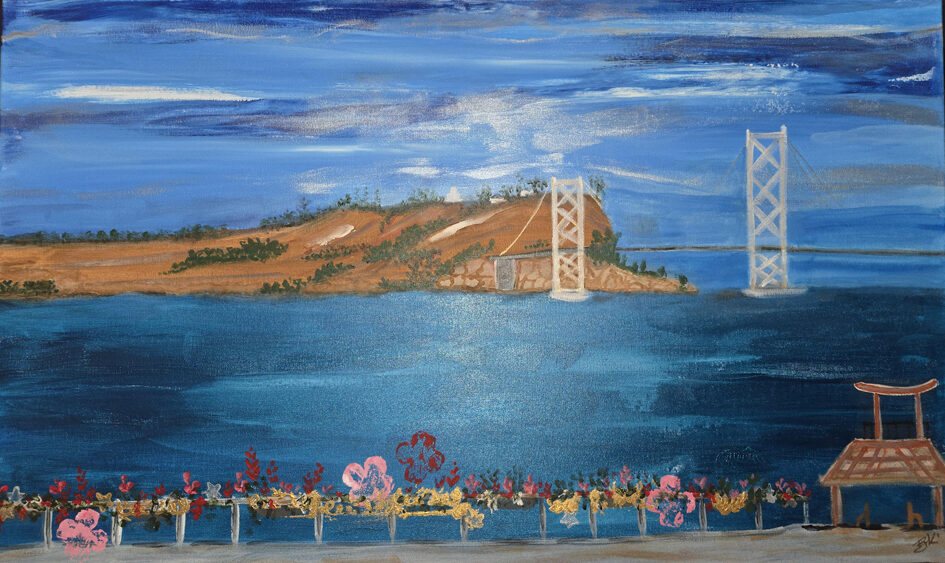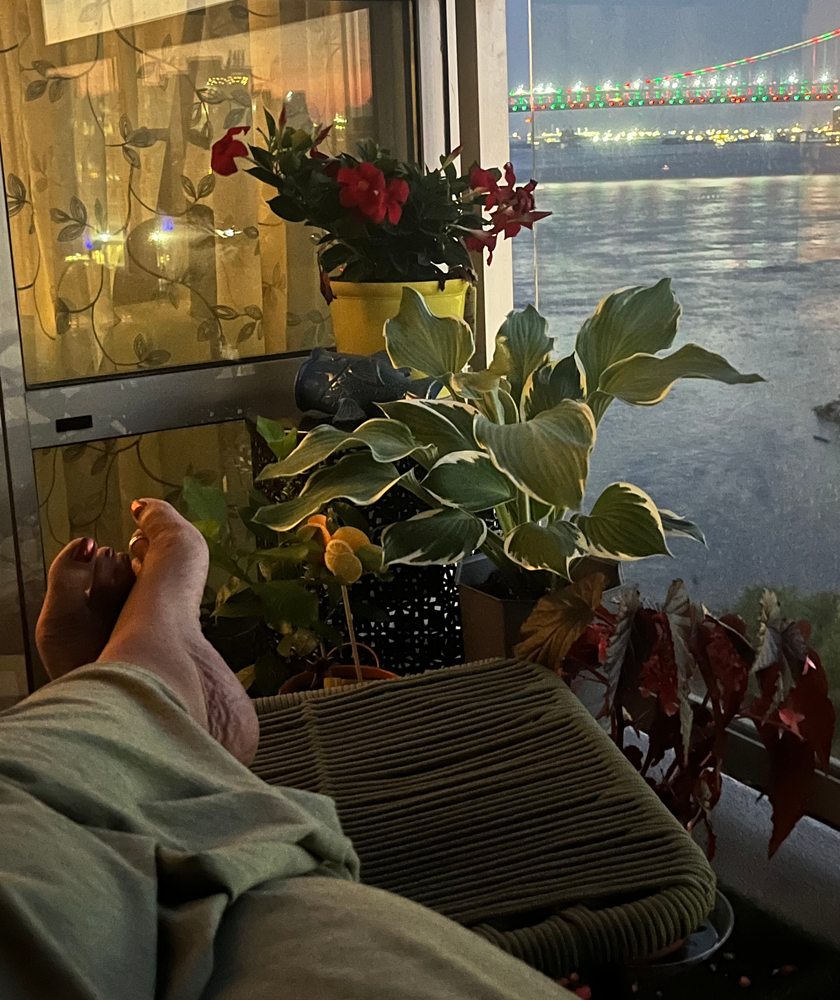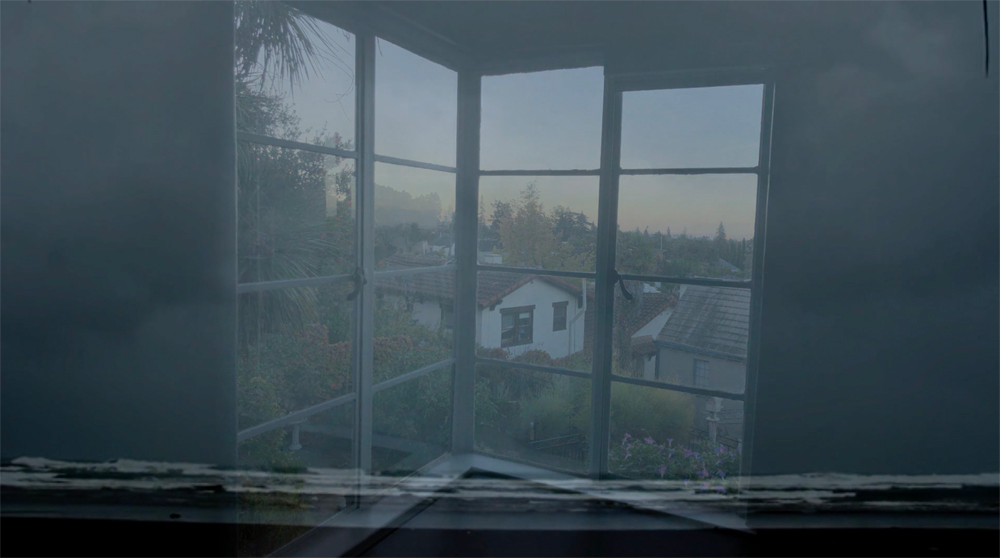
Casa Aguila, house on the mountainside 3 miles from Lake Chapala, Jalisco, México
Stories For Water / Stories In Water
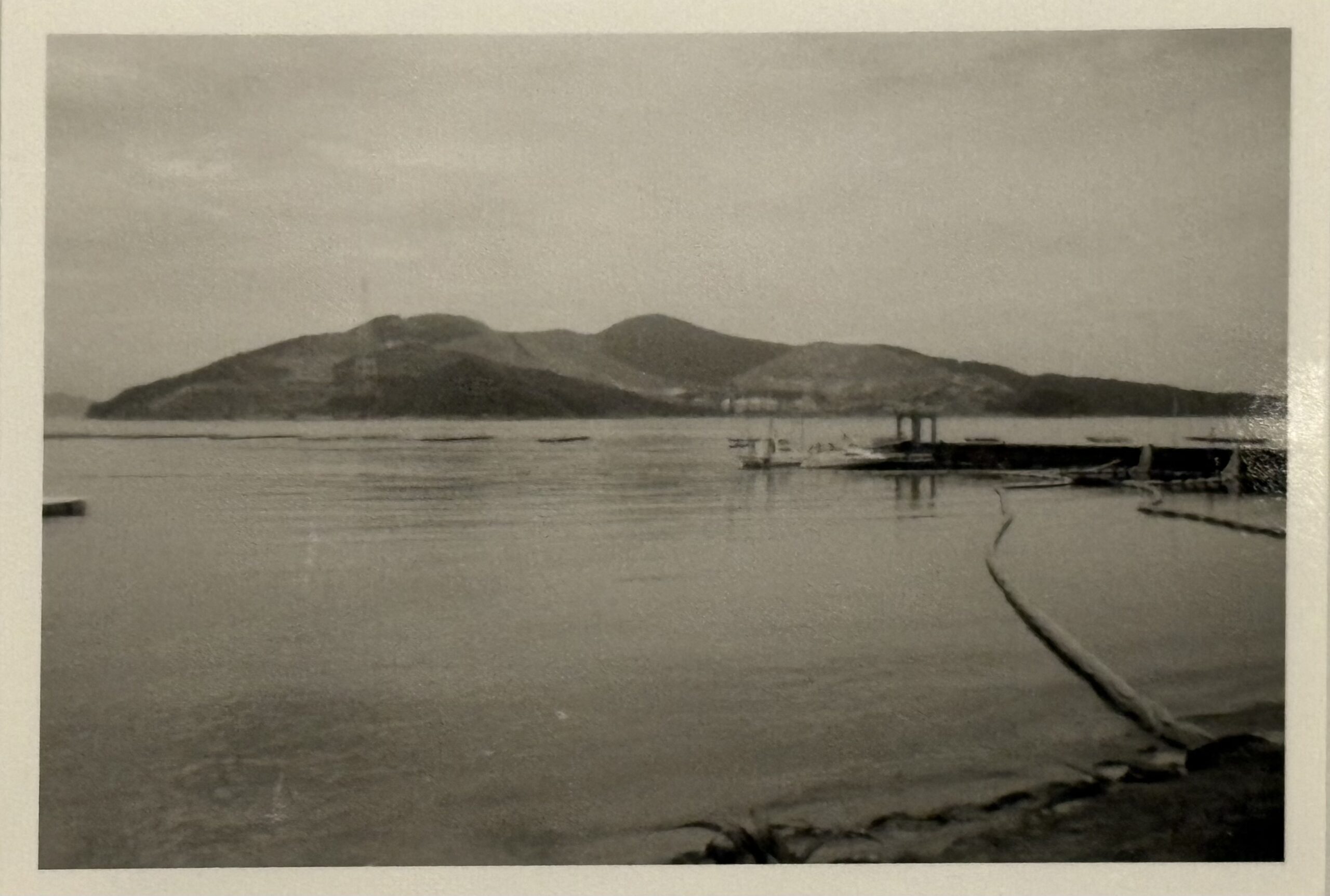
This is a water story as told by a bug in the mountains. My house in México is on a mountainside overlooking Lake Chapala. In the far distance beyond the lake I can see the Sierra Madre Occidental Mountains of Michoacán. Shade trees, cactus and scrub brush extend down to the yard surrounding the house. June is the rainy season-it rains every day. This year when walking outside I experienced a beautiful mysterious sound coming from the mountainside. I learned that the sound emanates from the Chicharra – a cicada type insect. The Chicharra announces impending rain. The high pitched resonating sound reminds me of the musette, the North African horn instrument played by Ornette Coleman and Dewey Redman. Chicharra singing is mournful and remote. It is both present and distant. It is approaching and receding at the same time depending on how much attention I give to it. It is a unique experience to focus my hearing and listen deeply. This unseen bug that lives only 24 hours is announcing rain to the world.
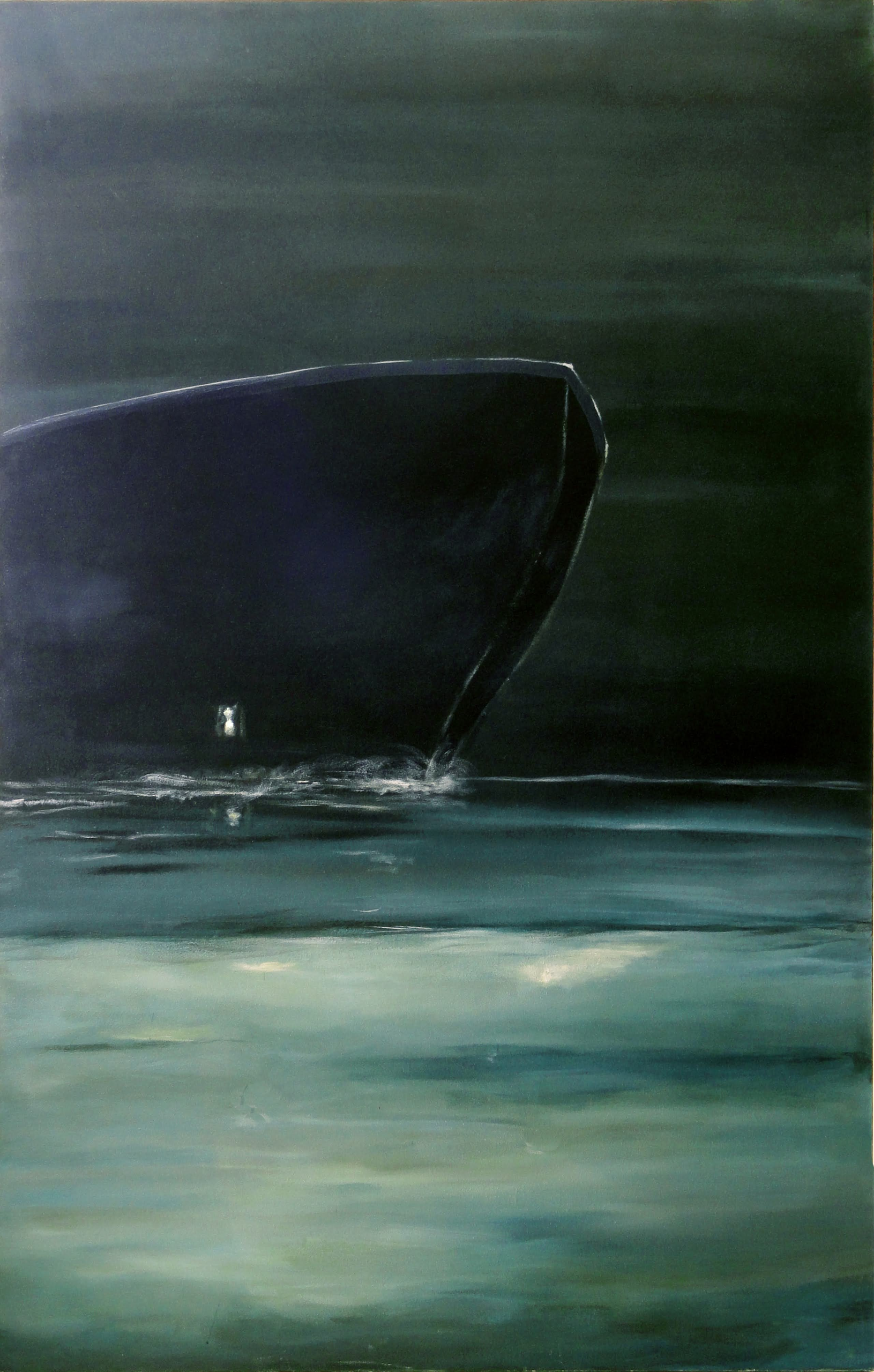
When it pours really hard the rainwater drains down the mountainside and flows underneath the highway and continues into the lake. Lake Chapala is the biggest lake in México. It is beautiful and soulful. It is becoming more and more polluted, as nearby industries use the lake as a drainage toilet. The Chicharra are telling us something. The world needs to listen.

Michael Pribich • He, Him • born California; Live: New York, NY; Jalisco, México
Michael Pribich is an interdisciplinary artist living in New York City and Jalisco, México. He was born and raised in Northern California. He explores labor themes of displacement and migration in rural and urban settings. He posits that labor be viewed as cultural production, resulting in an expanded social space.