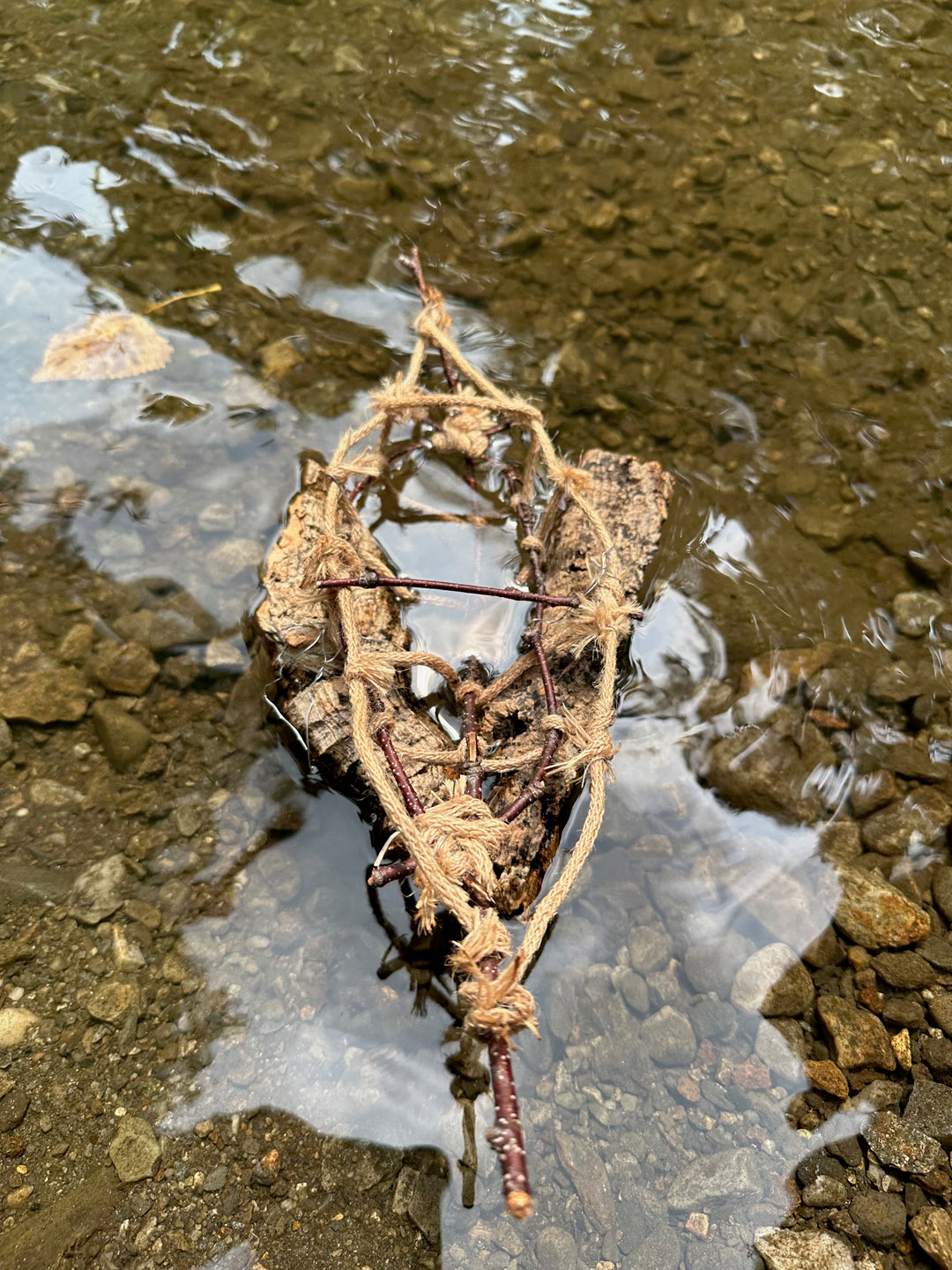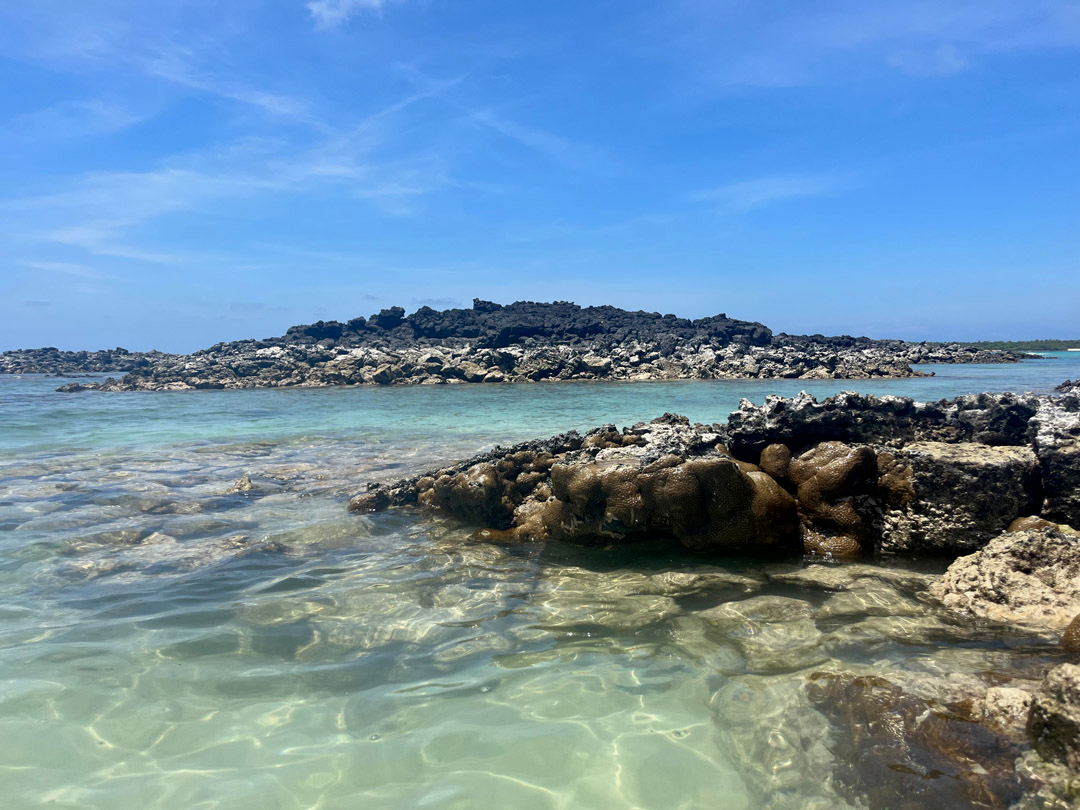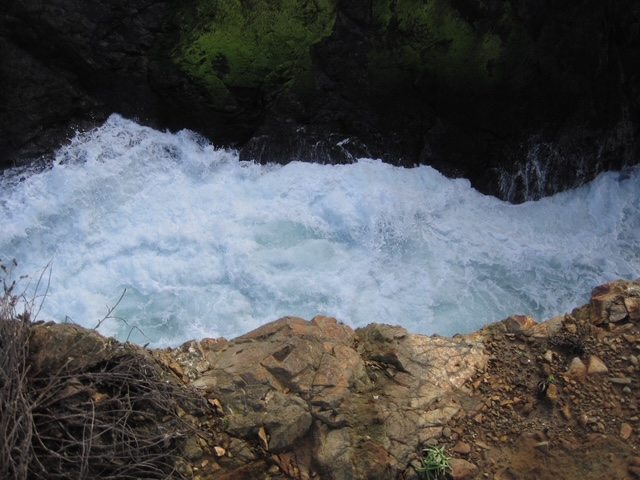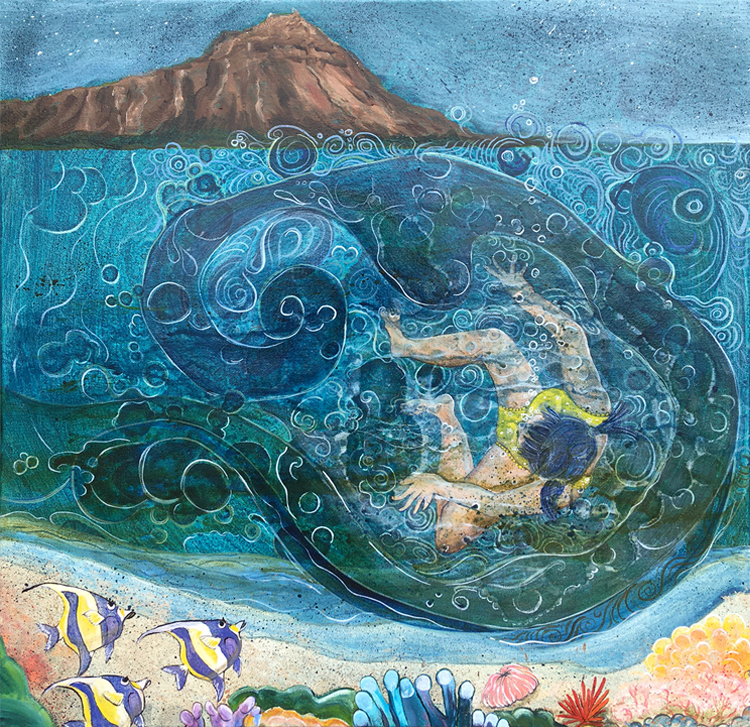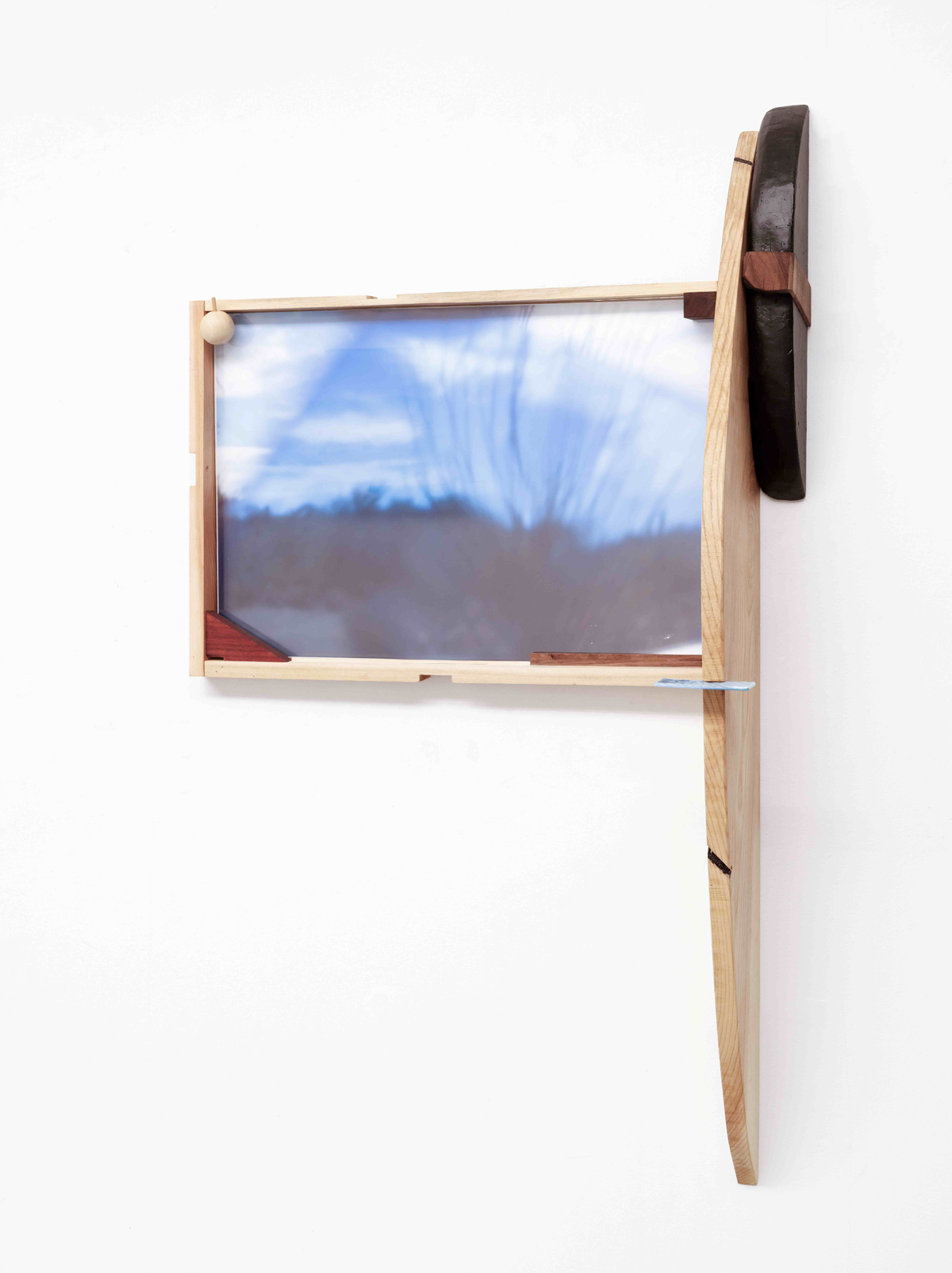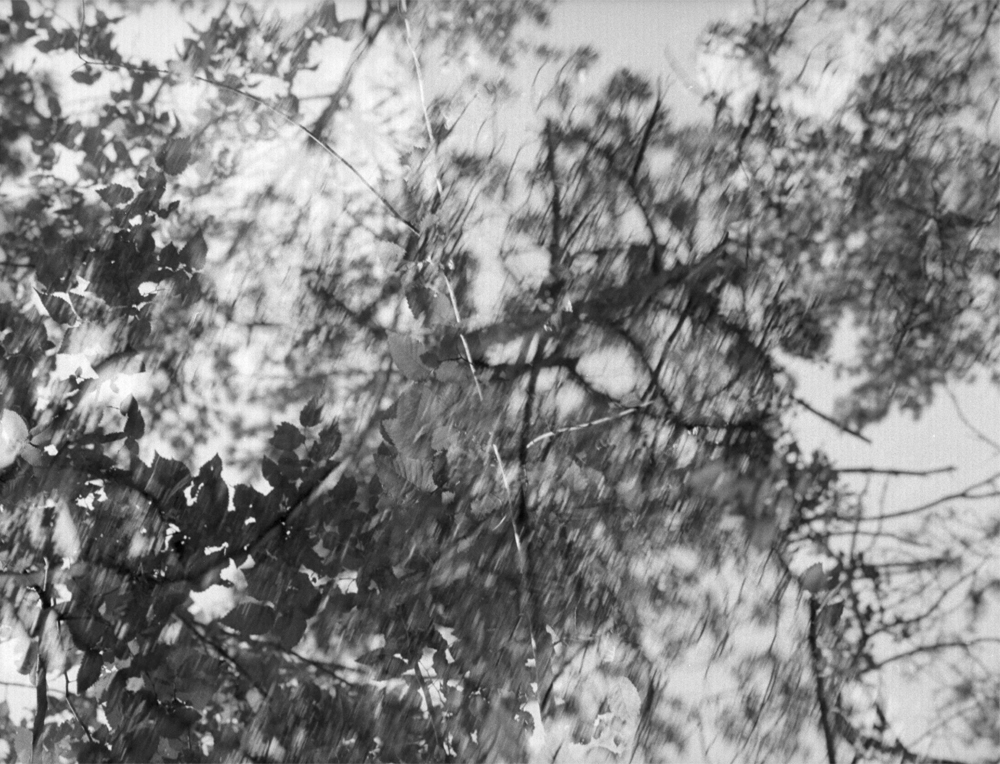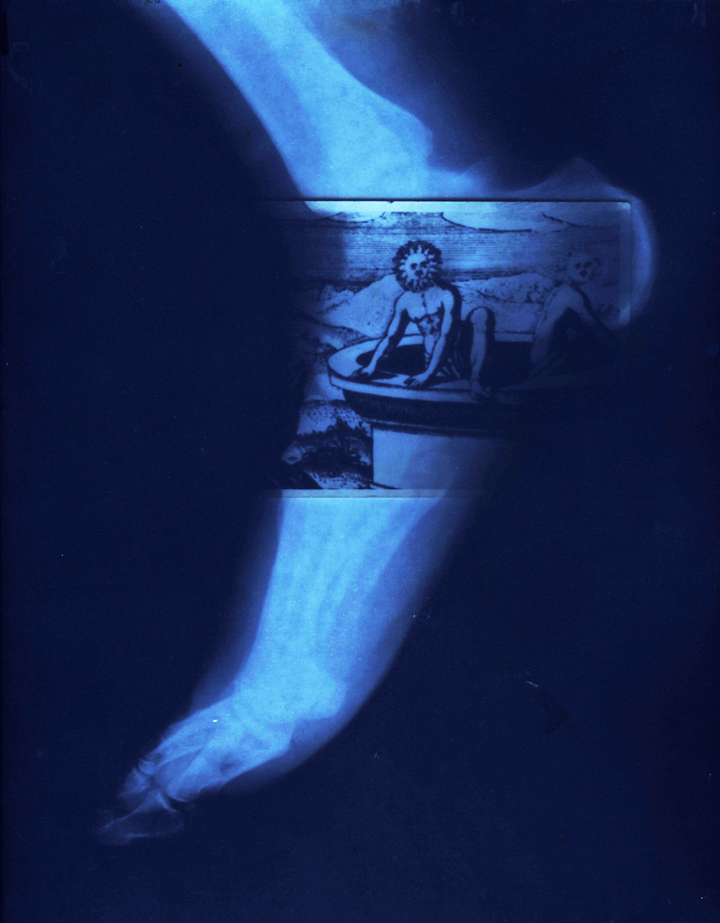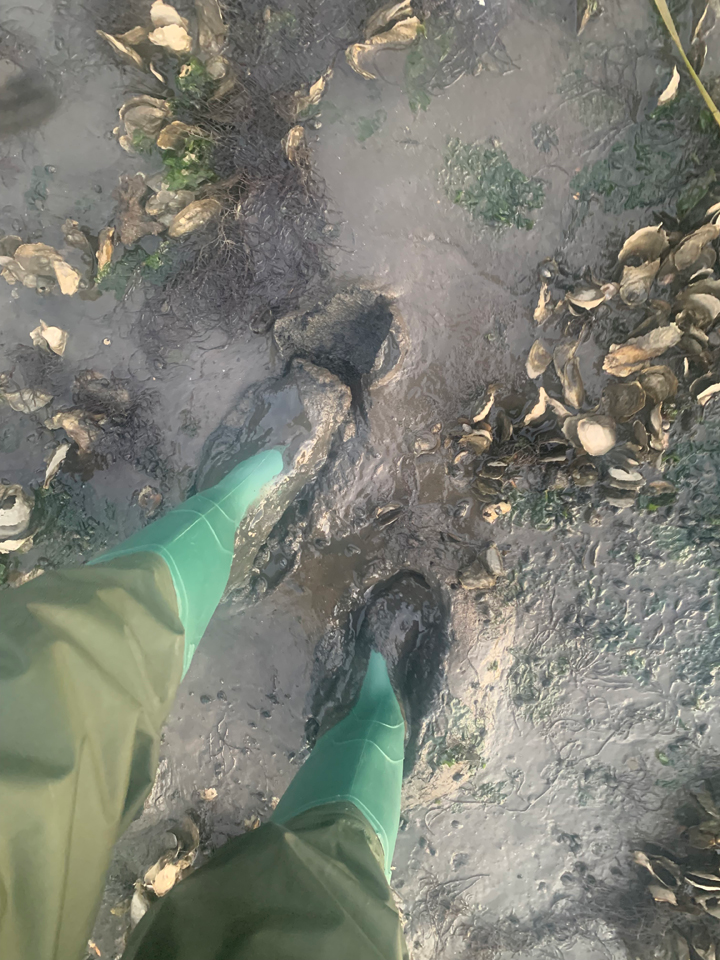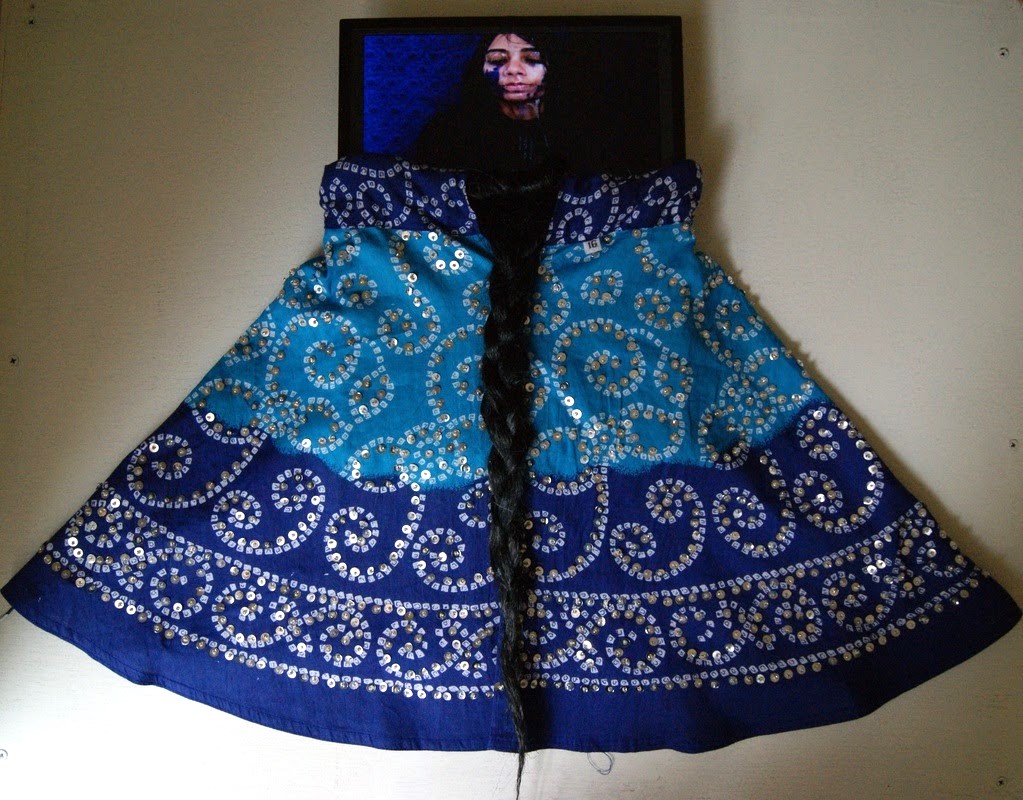
Soliloquy is a sculptural video piece that was created in 2013 and has been exhibited in numerous shows across the Country. At present, it is on view at Catherine G. Murphy Gallery, St. Catherine’s University, Minneapolis, till December 25, 2026.
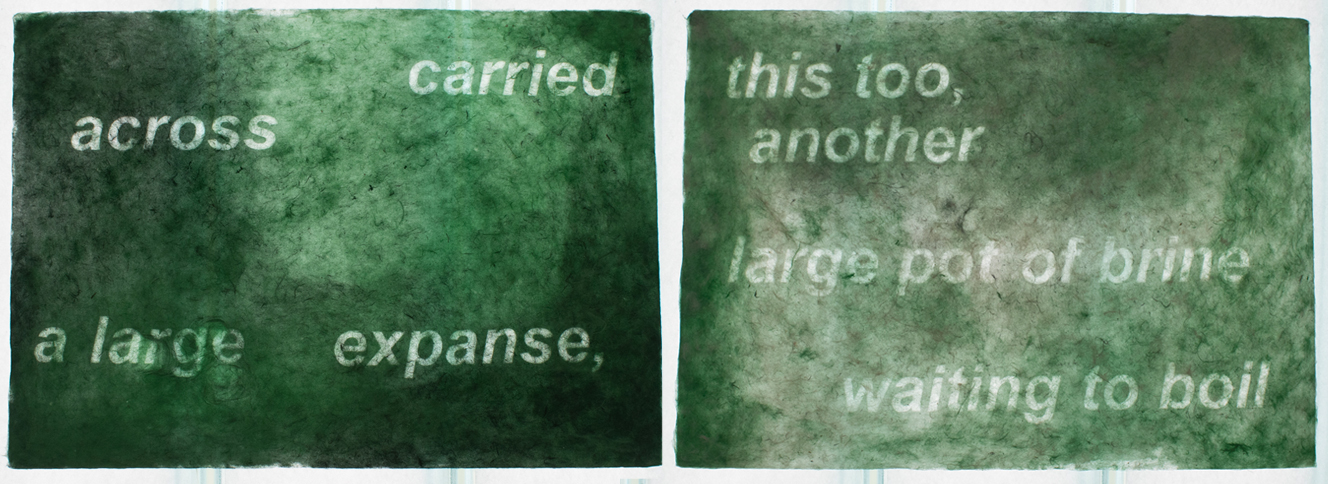
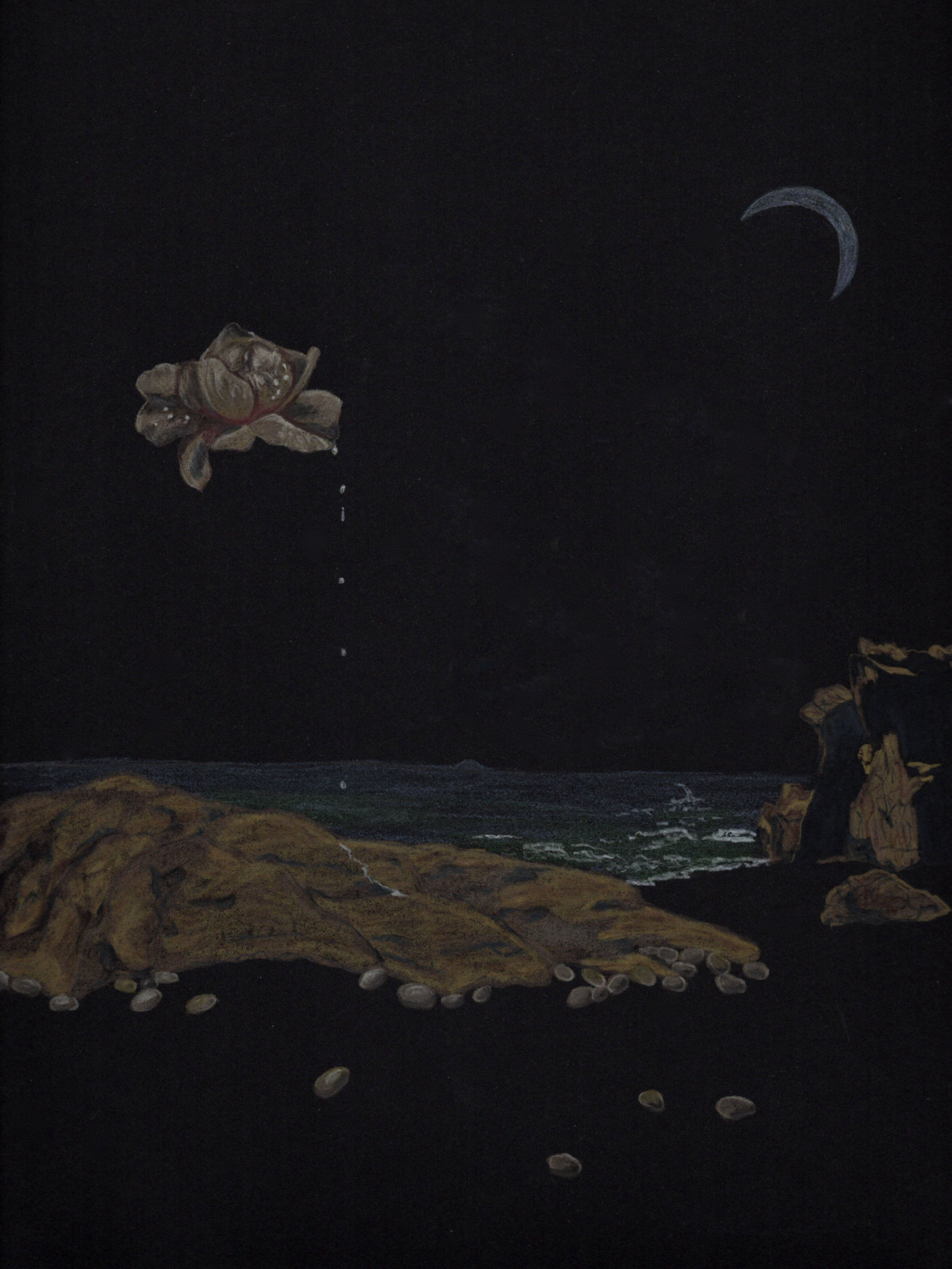
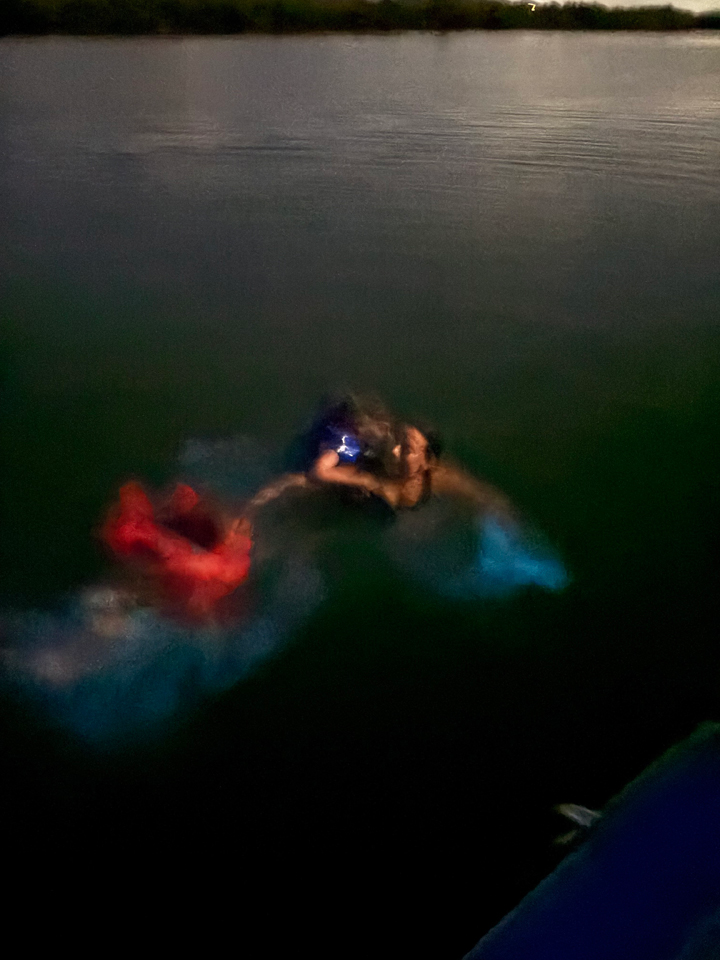
Soliloquy explores patriarchy, gender, and the discourse of power and control in South Asian culture. Through metaphors and symbolization, it builds upon the verse composed by medieval Indian saint-poet Kabir, “Jal bich meen pyaasi,” which means “fish remains thirsty in the water.” It reinterprets the poetry to think about how women are always caregivers, never have time for their needs, and often remain unloved and thirsty. The piece’s title is based on the idea that one needs to speak and listen to oneself as core components of self-care. Here, ‘water’ is treated as a metaphor for love and reflects on ritual practices such as ‘bathing,’ which holds healing energy for the emotional well-being of women who lack agency over their bodies and minds.
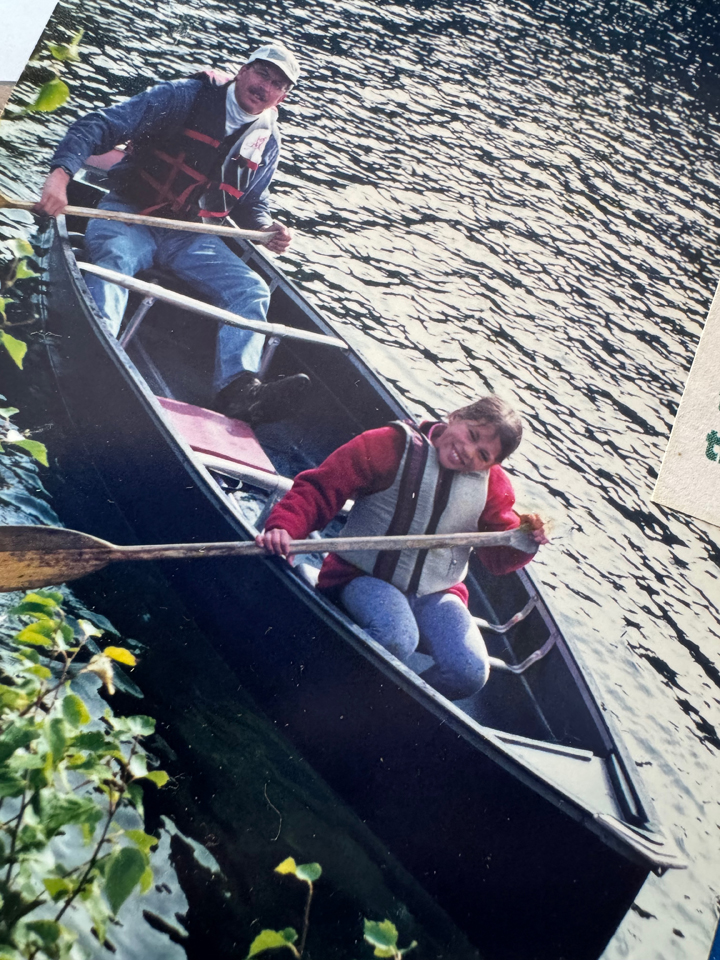
Hello my name is Pallavi Sharma. I am very happy to share my childhood memories of going to the river Ganga with my mom to take holy bath. It used to be early morning when we all used to go together. And it was amazing even in winter days the water of this river used to be very lukewarm and not very cold.
And I used to see as a child like all around me women especially women of all ages taking holy bath and also praying to gods and goddesses after or during their bath and later on gradually I realized that these prayers were part of the ritual where they talked to themselves in some ways, they talk about what has happened to them, what they are going through, and also praise for better days, better life, or praying for betterment of their situation. And it is interesting that it was almost like talking to oneself and washing off in the water all the negative energy and getting ready to become the recipient of positive energy from this holy dip in the water.
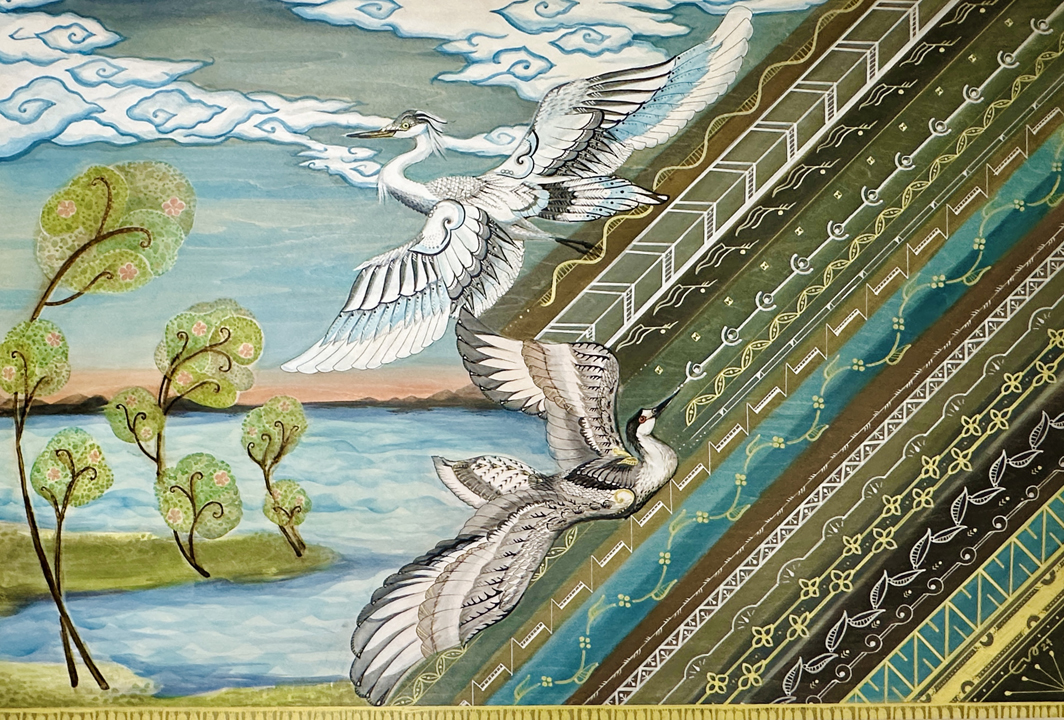
Another point, which came in my mind later on as I grew– that most of the rivers in India represents women, their names are of women, for instance Ganga, Saraswati, and many other. And it also signifies that like, you know how women… Many poets have written a poem around all these natural body of water or nadi, which flows continuously and doesn’t stop unless and until they accomplish their goals. They become very positive energy in women’s life and they derive their inspiration from it so that they can cross all the hurdles and become better and better in their everyday life. This was my short early childhood memory of water.

Pallavi Sharma • She/Her/Hers • San Ramon
Pallavi is a multidisciplinary artist and independent curator. Her socially engaged art practice addresses migration and notions of memory, marginalization, and patriarchy. Her practice and research interests concern Asian American women’s cultural production and activism. She received her BFA and MFA from the Faculty of Fine Arts Baroda and a Ph.D. in Art History from the National Museum Institute of History of Art, Museology, and Conservation in New Delhi, India.